Arts & Culture
Julius von Bismarck: “Art Has the Ability to Connect”
In an age of AI-generated imagery, political polarization, and climate change, the German artist Julius von Bismarck is less interested in provocation than in connection. Known for exposing himself to hurricanes, lightning, and wildfires, he explores the fragile boundary between humans and what we call nature. We spoke about artificial images, elemental forces, cultural divides, and what a truly future-proof society might look like. For Julius von Bismarck, art is not primarily about answers. It is not even about better questions. It is about creating a space where something deeper can be felt.
The Power of Surprise
Your work often manipulates images to challenge perceptions. In an age of AI-generated imagery and alternative facts, is reality outpacing artistic imagination?I think that, when so much is happening, it’s sometimes difficult for an artist to add something to that. Nobody needs entertainment when the news are so extreme that you cannot even comprehend what you see. There is enough provocation right now, enough confusion. I’m trying to bring things together that are seemingly apart. I’m trying to heal rather than to provoke. Ten or fifteen years ago, it felt more essential for me to provoke.When it comes to AI, for me it’s very surprising. And surprise is an essential creative state. If I can surprise people in my exhibitions, I try to do that, because surprise and inspiration are very close together. And in order to make art, I also need to surprise myself.Healing what’s broken, what does that mean in practice?When exhibiting in China and the U.S., for example, I try not to put my work into a political box in order to open it to different political sides. Cultural connection is extremely important to me, since the world right now feels like it’s drifting apart. And to solve the biggest problems we have, we need to come together. With words, it’s difficult. The moment you use certain words, you position yourself on a political spectrum. And people outside that spectrum stop listening. With artworks, it’s a different story. If a piece of art surprises you, you can’t immediately put it into a political box. This is why art has the ability to connect. People from opposite spectrums can see the same work and talk about it freely.
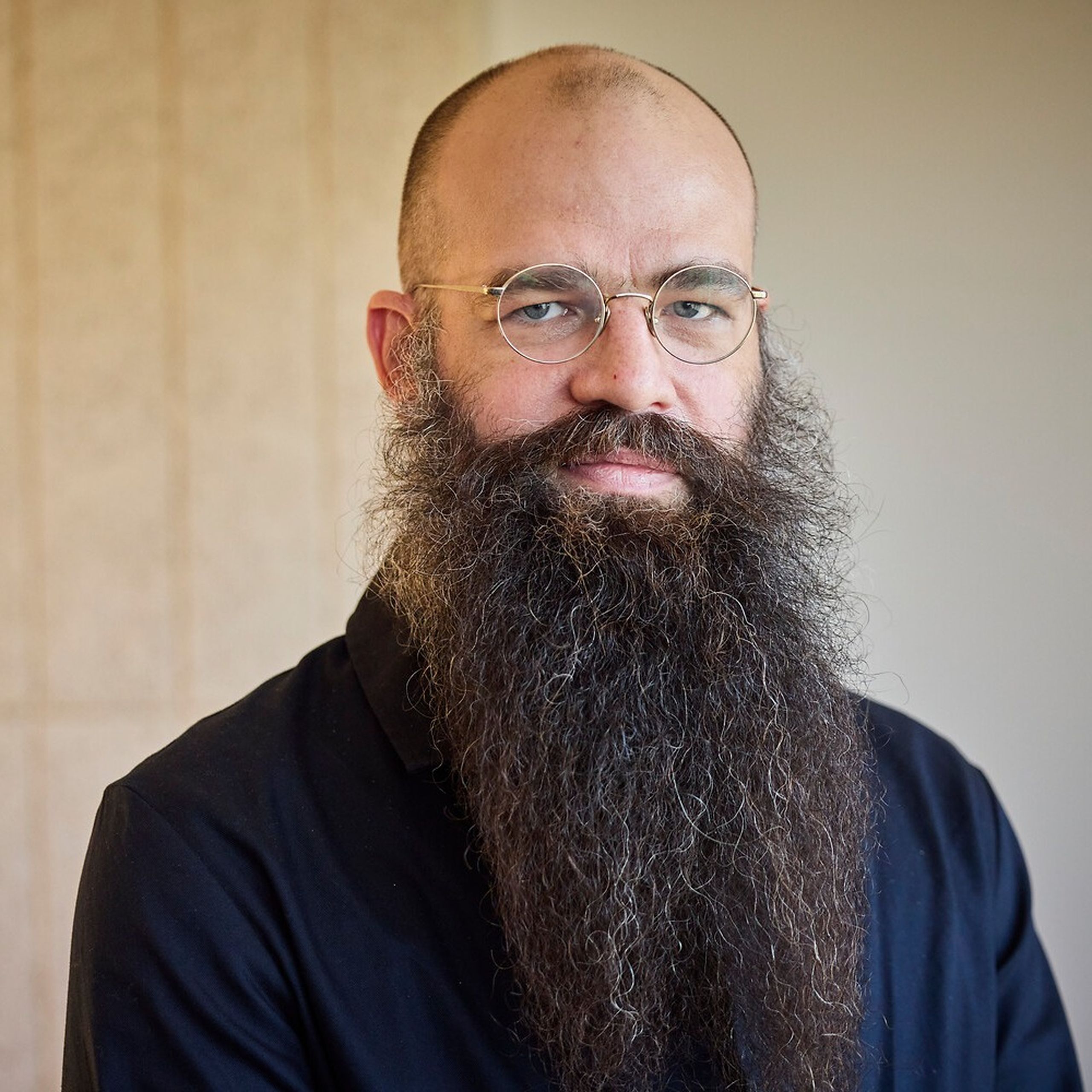
You see yourself as a bridge builder and connector?Yes, especially as an artist with an aristocratic name, I don’t want to be put in a box. I don’t want to divide. I don’t want to be a person representing some very old aristocratic power because my name might suggest that – even though it’s not the case. I want to bring things together instead of ripping them apart.Your name carries historical weight since you are the great- great-grandnephew of Otto von Bismarck, the first Chancellor of the German Empire. Has that name influenced how your work is received internationally?Sometimes I’m surprised that people recognize the name. You need a certain historical knowledge to make that connection, but many people around the world learn about Bismarck in school. I didn’t learn much about colonial history in my own education. It was mostly about the Second World War. Recently, this has changed because of the decolonization debates. Suddenly, on a very personal level, people also see me as a target in that discussion. But I didn’t pick that name. This is not how it works. So, I decided that instead of running away from it, I try to use it. I try to use whatever power I have as an artist instead of treating my name as a liability.

Expanding Mental Space
An art critic once said that you treat technology not as a solution but as a tool to raise questions. Would you agree?Yes, because every technology has a political aspect. Politics is how we organize life between humans. I would even say it’s how we organize life in general, including non-human species. Every invention pushes that relationship in a certain direction. Sometimes we’re not aware of that. Even before I was an artist, I was interested in how technology changes society. Not by saying a medium is bad, but by inventing a new medium and by experimenting with it to see what happens.Are you searching for good answers or better questions?Maybe neither. It’s more about finding a feeling.Sometimes it’s not a question or an answer. It’s something we feel in our stomach or our heart, subconsciously. Art can create a space for that. In a museum, people can sit for an hour with a piece of art. They’re not expecting fast entertainment. That gives space for something slower to develop. Wars, disruptive politics, AI developments, all of it takes up mental space. We don’t have that space anymore to even rethink or think something new, which is very necessary. Maybe change begins with a feeling.The BMW Foundation Herbert Quandt works across borders and cultures to promote a responsible, future-proof society. What makes a society truly future-proof?We need to stop thinking of ourselves as a society of humans. We need to think of ourselves as a society of everything and all species. As long as we don’t do that, we have no chance of being future-proof. Even if you love every human being, if to keep every human alive you kill the rest of the planet, we will all die. Everything is connected to that question: how we build cars, architecture, how we trade. To build a future-proof society, everybody needs to be in that future, not just humans. So, the future we need to proof is maybe a different one than a lot of people are imagining.

"Talking to Thunder", 2017
Courtesy the artist; alexander levy, Berlin; Sies + Höke, Düsseldorf; Esther Schipper, Berlin, Paris, Seoul © Julius von Bismarck; VG Bild-Kunst, Bonn 2026

"Tiere sind Engel mit Fell", 2018
Courtesy the artist; alexander levy, Berlin; Sies + Höke, Düsseldorf; Esther Schipper, Berlin, Paris, Seoul © Julius von Bismarck; VG Bild-Kunst, Bonn 2026
“We need to stop thinking of ourselves as a society of humans. We need to think as a society of everything and all species.”
Julius von Bismarck
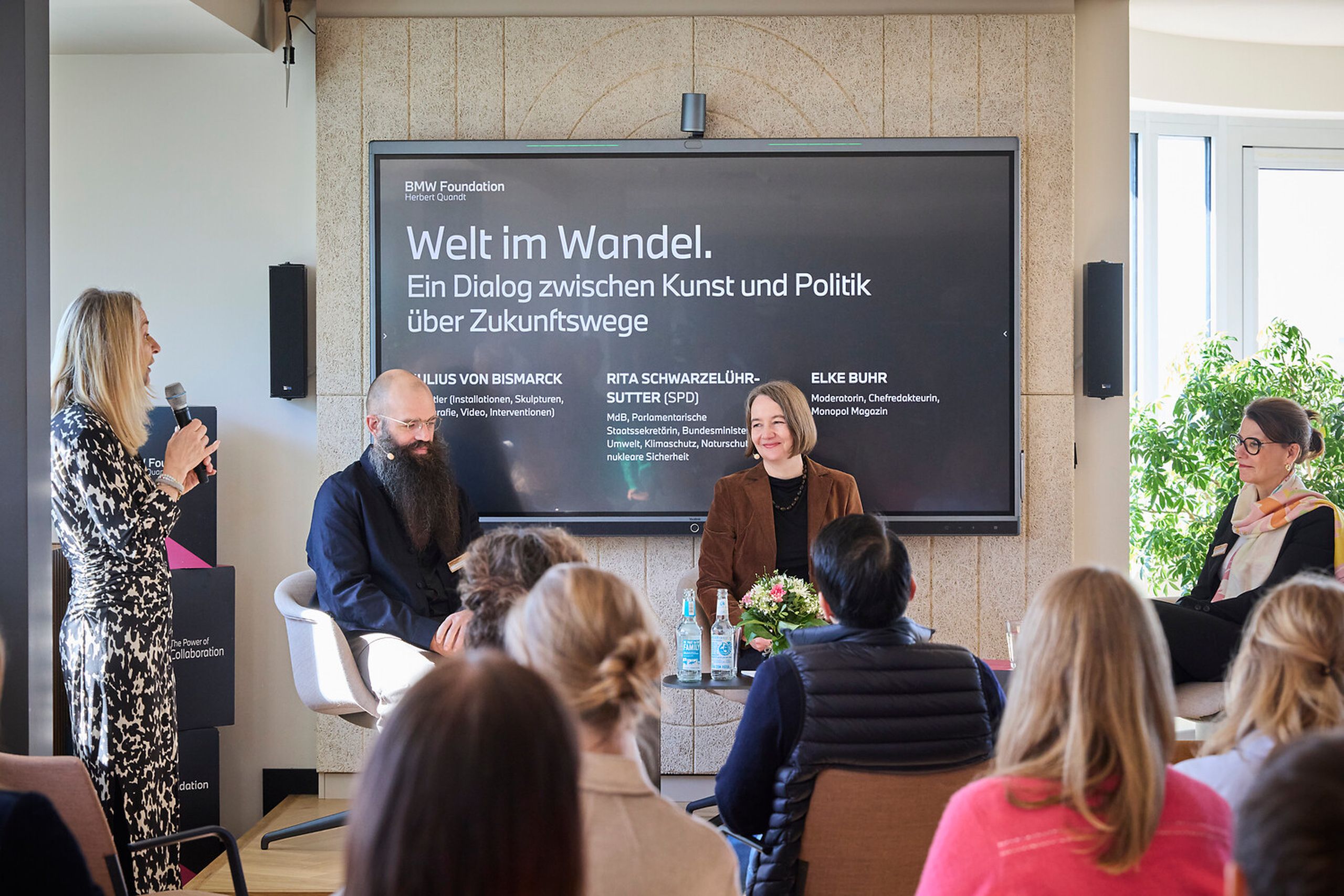
We hosted the discussion at the BMW Foundation Herbert Quandt Berlin office.
Marc Beckmann
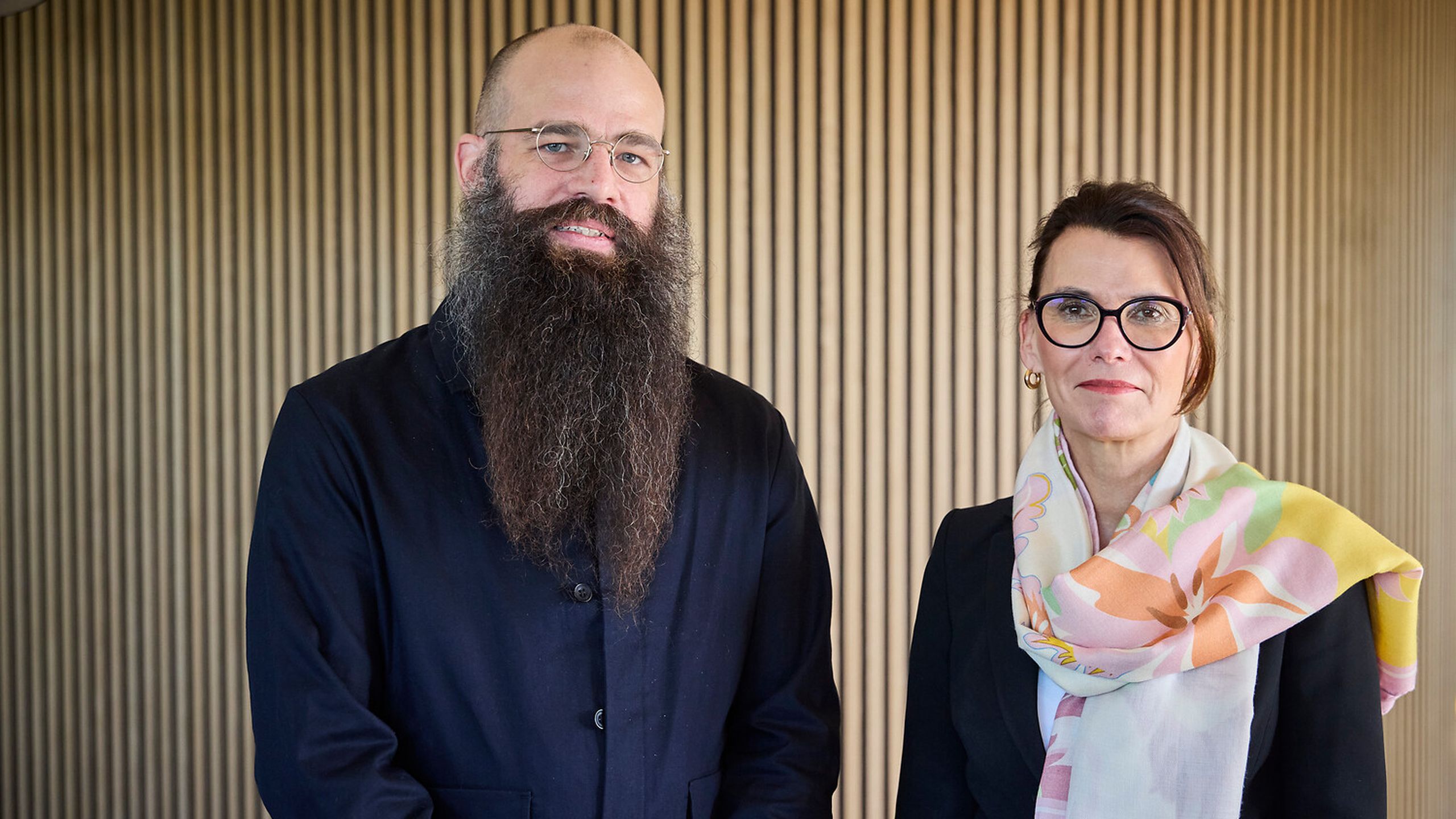
Julius von Bismarck and Rita Schwarzelühr-Sutter (SPD), Member of the German Bundestag and Parliamentary State Secretary
Marc Beckmann
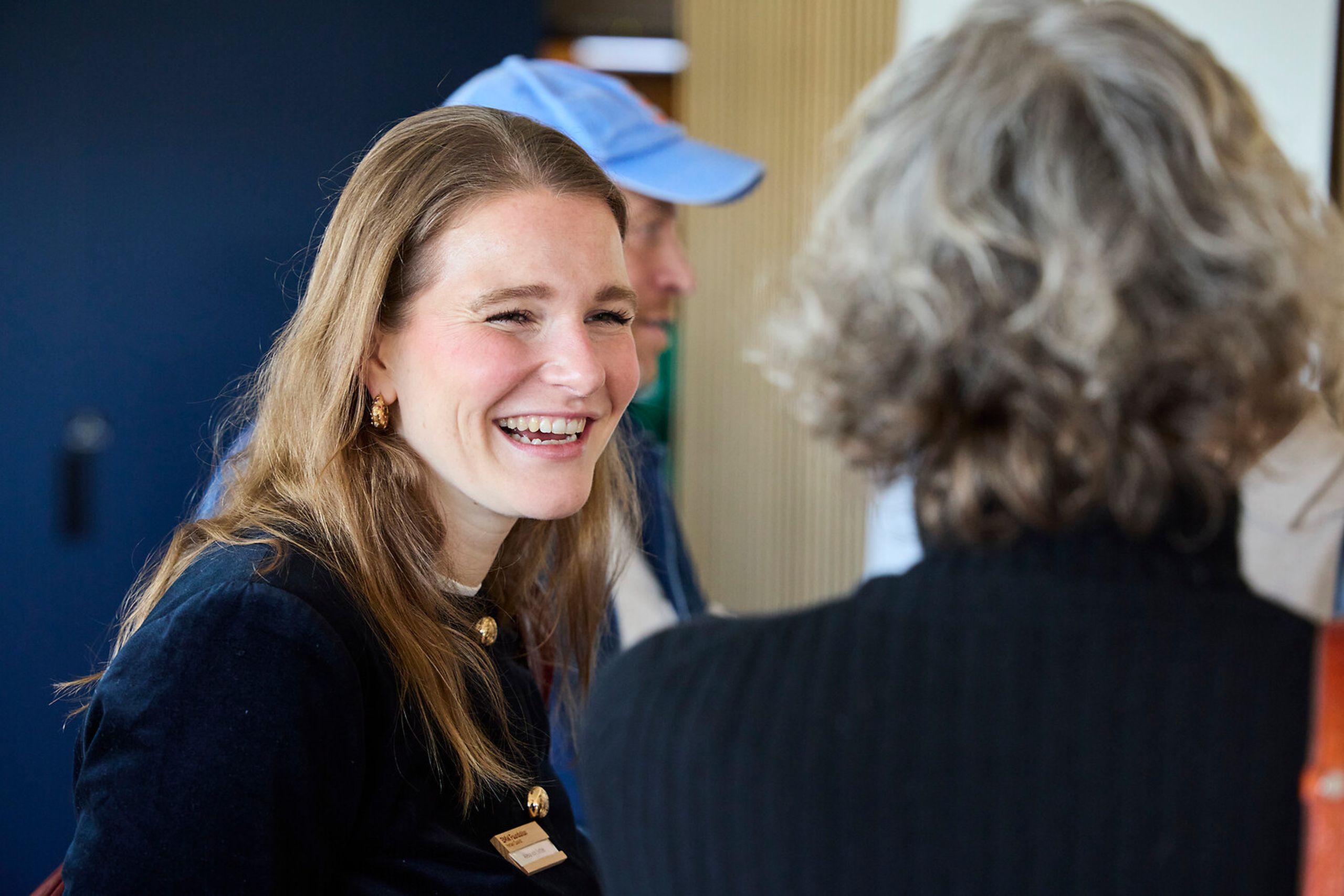
The guest were engaged in inspiring discussions.
Marc Beckmann
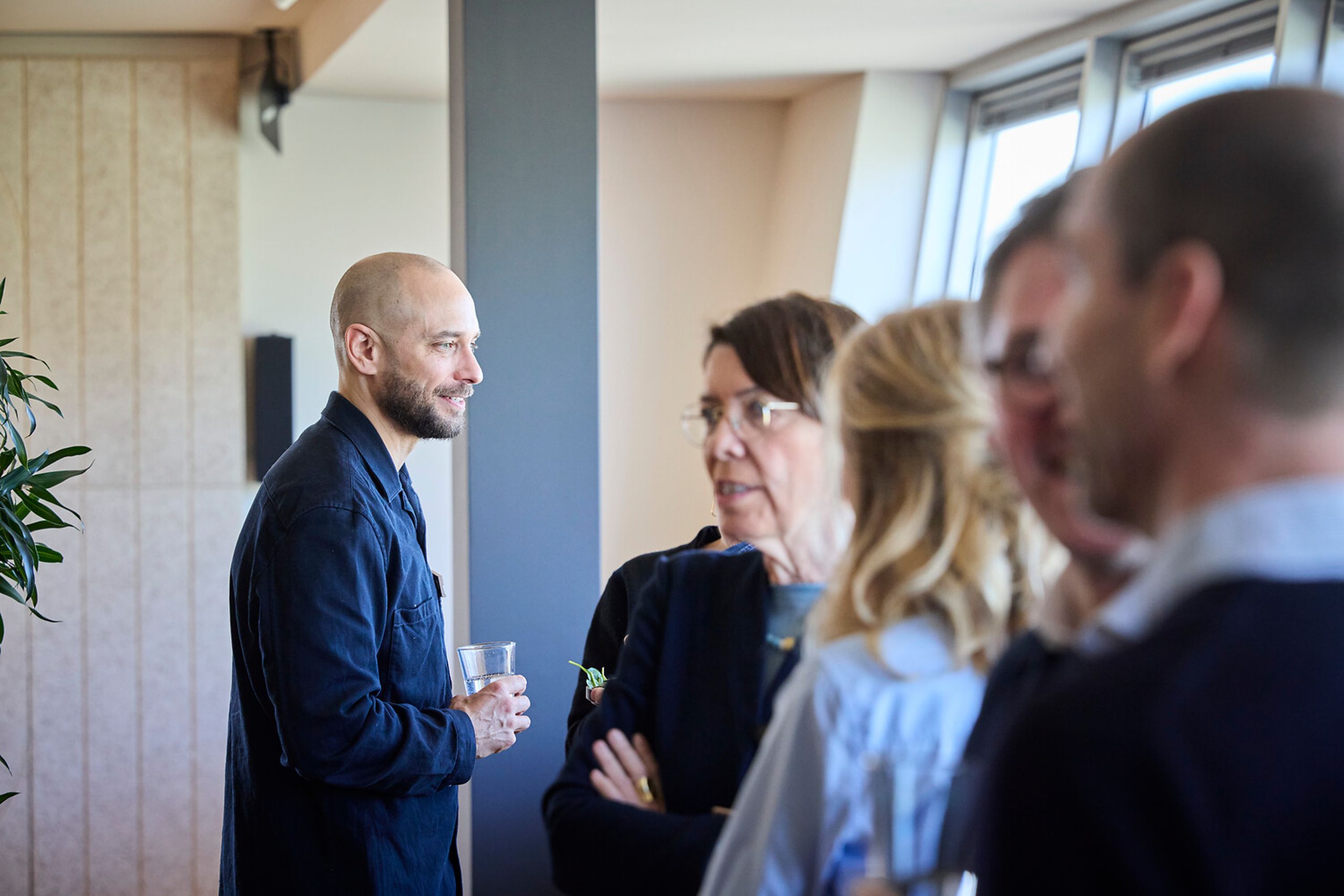
Marc Beckmann
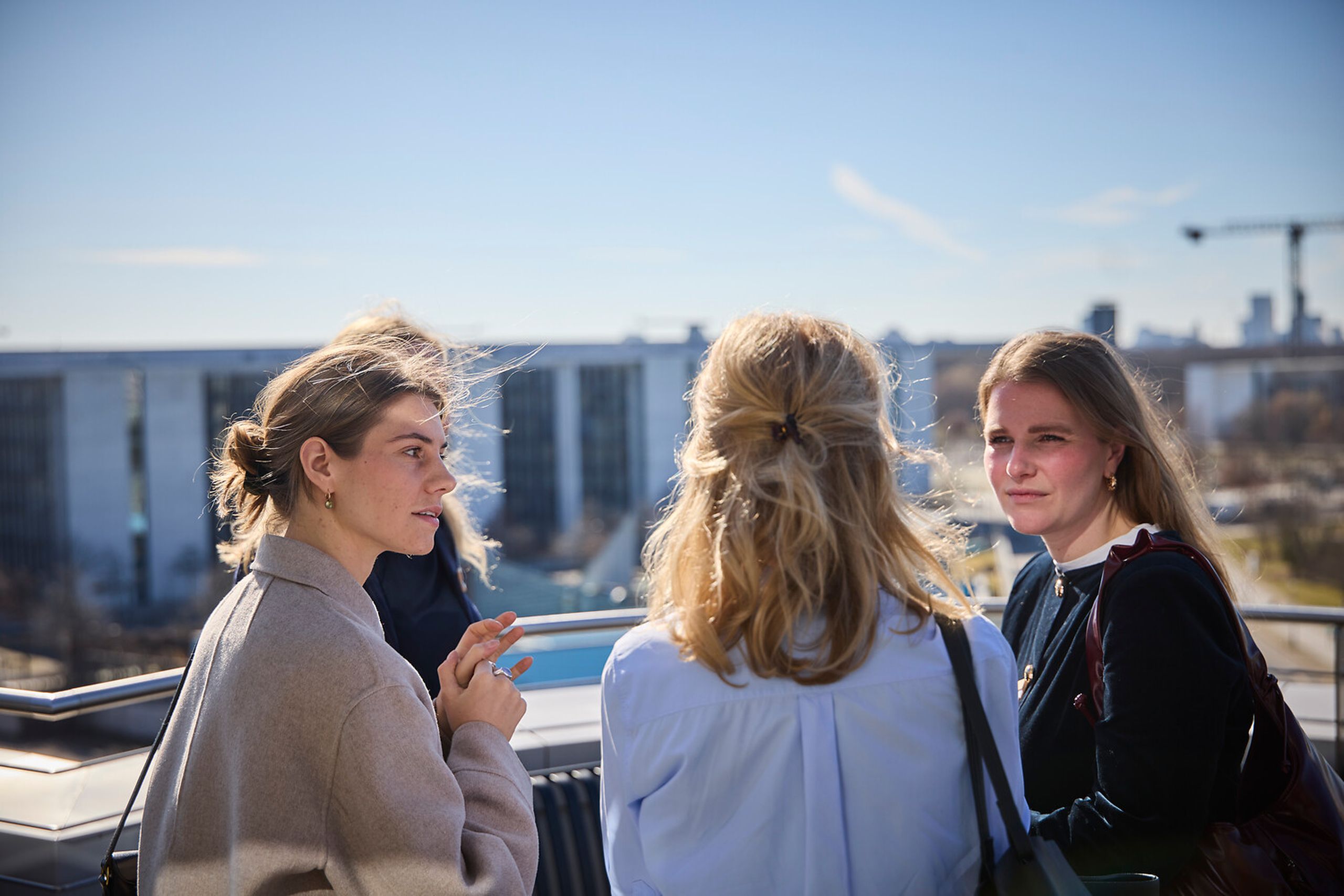
Marc Beckmann
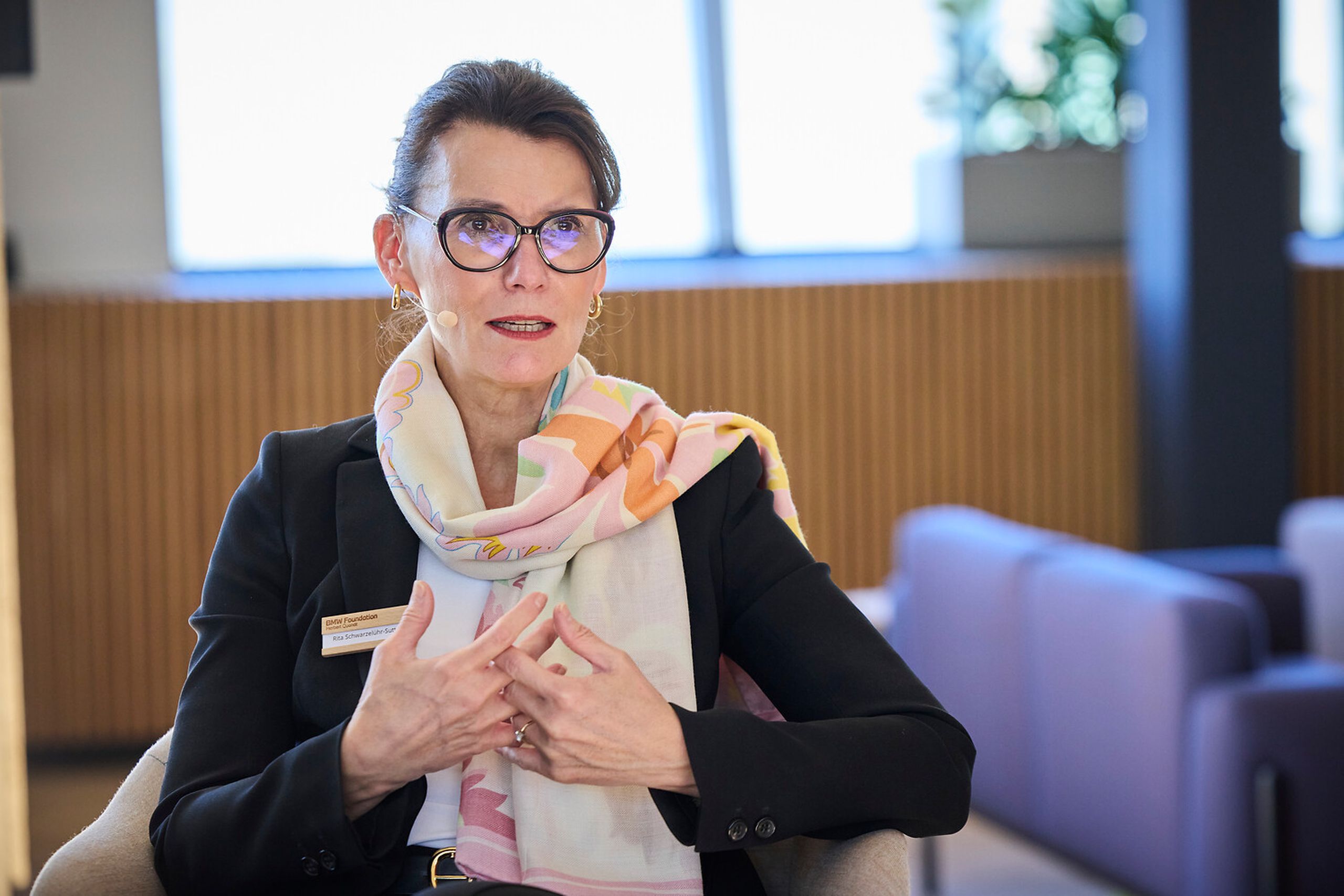
As Parliamentary State Secretary at the Federal Ministry for the Environment, Nature Conservation, Climate Protection, and Nuclear Safety, Rita Schwarzelühr-Sutter advances sustainable development.
Marc Beckmann
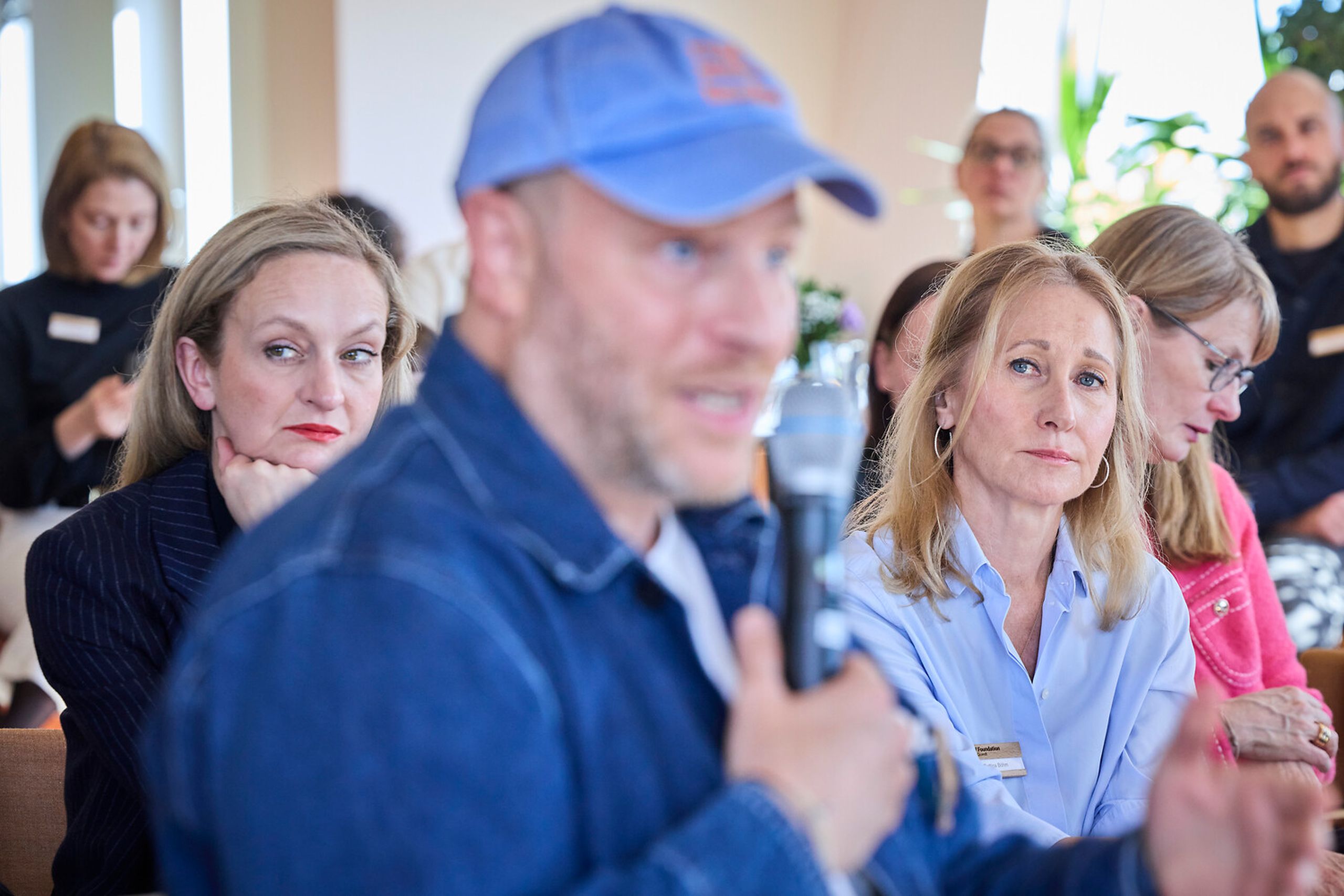
Participants asked questions after the panel discussion.
Marc Beckmann
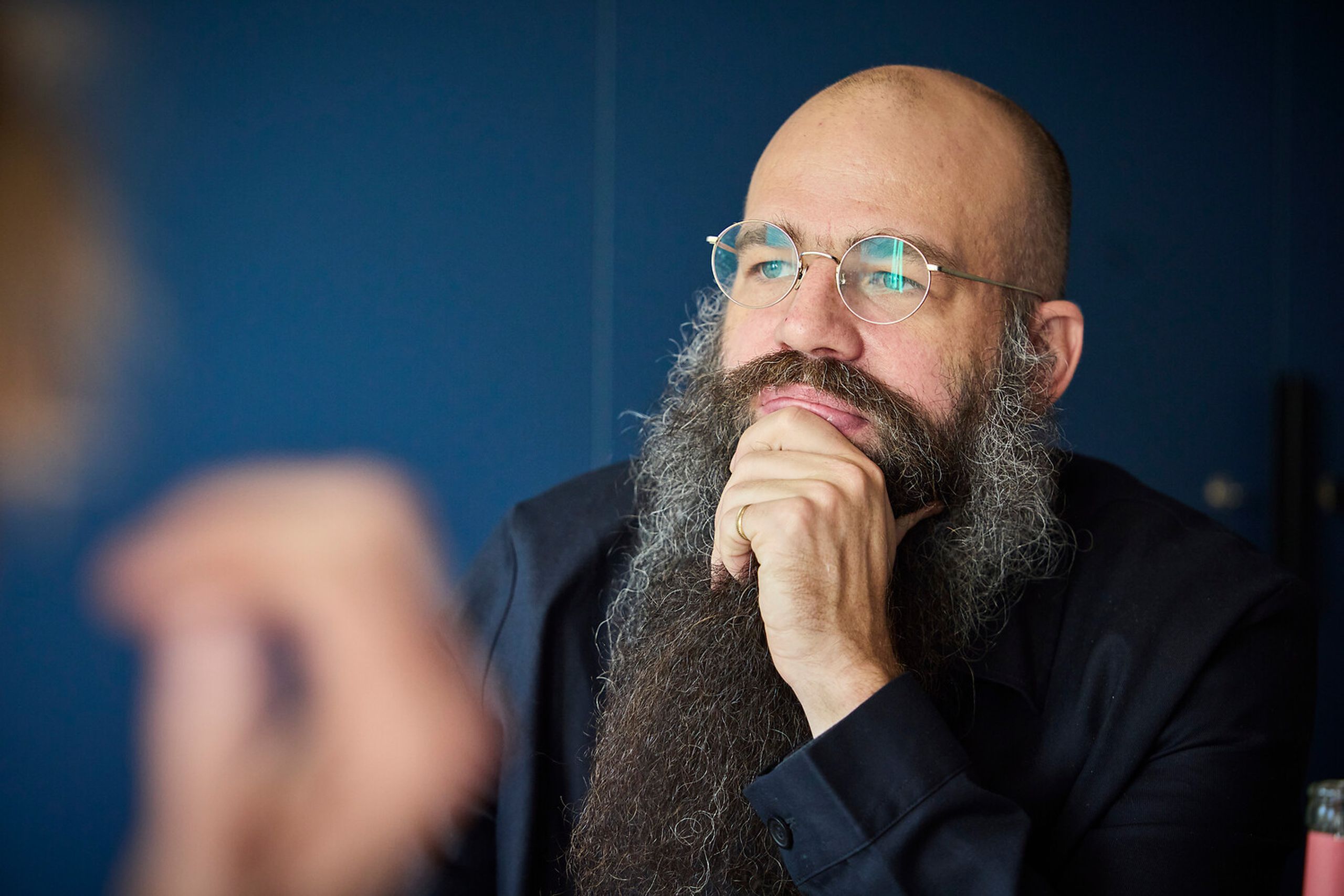
Julius von Bismarck is one of the most prominent artists of his generation.
Marc Beckmann
In your work, you’ve often exposed yourself to elemental forces. You almost died in a storm at sea while chasing waves. You were struck by lightning and later tried to catch lightning. What draws you to these experiences that verge on the impossible?If you want to understand something, you need to go there.I strongly believe we need to rethink the concept of nature. I think that even the word nature needs to be replaced. Let’s find something better because it’s a misunderstanding. And I don’t want to reproduce misunderstandings. That is not my role as an artist. That is why I need to get to the source of things. And I don’t mean just reading a book about nature. You need to go out and see what’s actually there. You need to speak to the ocean, and you need to speak to the mountain – and you need to speak with people who have a very different relationship with nature, like many indigenous communities.What did “going back to the source” look like for you?I was once in a small boat on the Amalfi Coast when a massive storm came up. We were trying to reach the next harbor, but the wind was against us. There were only very few spots where you could land a boat. It looked like a lost cause. When you are in a hurricane, you don’t act anymore. You react. The same is true in a forest fire or a thunderstorm. This experience changes your relationship with nature dramatically.In another situation, I was struck by lightning while sleeping in a car. There was no thunderstorm in the usual sense. Some lightning strikes go around and hit by surprise. They’re rare, but very strong. I woke up electrified. My heart was racing. In these moments, you realize something about yourself. I thought I was not religious at all. But when I thought I might die, I prayed to some strange God to save my life. Who was that? And how can I revisit that God in some way? I’m sure something like that exists in everybody.

"The Elephant in the Room", 2023
Courtesy the artist; alexander levy, Berlin; Sies + Höke, Düsseldorf; Esther Schipper, Berlin, Paris, Seoul © Julius von Bismarck; VG Bild-Kunst, Bonn 2026

"Fire with Fire", 2021
Courtesy the artist; alexander levy, Berlin; Sies + Höke, Düsseldorf; Esther Schipper, Berlin, Paris, Seoul © Julius von Bismarck; VG Bild-Kunst, Bonn 2026

"Landscape Painting (Bismarck Sea, Volcano)", 2023
Courtesy the artist; alexander levy, Berlin; Sies + Höke, Düsseldorf; Esther Schipper, Berlin, Paris, Seoul © Julius von Bismarck; VG Bild-Kunst, Bonn 2026
Getting to the Bottom Of A Feeling
How do you translate these experiences into your work?In the hurricanes and wildfires, I made extremely slow-motion films. If you slow a hurricane down to human speed, the wind becomes something you could almost dance with. You translate the language of the storm into a human language. You can look at it without panic. You can look at what I call the soul of the storm. Regarding the wildfires, I spent a significant amount of time staring into a forest fire together with firefighters in California and in Sweden. I wanted to understand our relationship with fire and get to the bottom of that feeling.Your work “Punishment” shows you whipping the ocean or the Alps in a Caspar David Friedrich-like scenario. What is happening there?It’s a question work. As a viewer, you become the question: Why is a person trying to punish nature? If you want to punish something, you need to personalize it somehow. It challenges your idea of what nature is. Am I whipping the real world? Or am I whipping the cliché of landscape imagery? The classical concept of it? The composition looks like a framed image. So maybe I’m not whipping nature but a wrong idea of nature.I’m not going to answer that. You’re left alone with the question.Sounds like your work is an attempt to dismantle the illusion of separateness between humans and nature.I guess you could say that. It’s certainly not easy and I am not sure if I can really do this. But it still is my goal.

"Punishment #7", 2011
Courtesy the artist; alexander levy, Berlin; Sies + Höke, Düsseldorf; Esther Schipper, Berlin, Paris, Seoul © Julius von Bismarck; VG Bild-Kunst, Bonn 2026
Am I whipping the real world? Or am I whipping the cliché of landscape imagery?
Julius von Bismarck
Overcoming Stubborn Forces
Last year you’ve shown your work in China, the U.S., and Europe. Do people respond differently to these themes?Definitely. In the U.S., you have a strong relationship to the land, national parks, off-road culture. You have public land, which doesn’t exist in the same way here. China is different again. One key difference is the individual versus the collective. The individual is less important there, and that impacts everything. You can see it even in science fiction stories. In Western stories, the protagonist often has to decide whether to save their family or save the world. In Chinese stories, that dilemma doesn’t exist, because, of course, you save the world! It’s about the collective. However, I was surprised how parallel the conversations are in China to the U.S. or Germany about nature philosophy and contemporary ecological questions. My work is relevant there right now. And this shows how art can function as a bridge.China is also a good example when it comes to scaling innovation big time – for example, the transition from fossil fuels to renewable energy. Why is Europe, including Germany, so much slower when it comes to transformation?Sometimes it’s more interesting to ask: What kind of problem are we really talking about? Is it a human problem? A German problem? A religious or cultural problem? I don’t have all the answers, but I think we are talking about a system trying to keep itself alive. Everyone has this will to survive, it’s very human. But industries have that, too. Coal and oil industries try to keep themselves alive, even by lying to themselves about scientific facts. People believe in false arguments to justify what they’re doing.There is a conservative, stubborn force that prevents change. And that’s something we need to overcome. In Germany, I see both a will to change and a slowness. We tried solar power. We built a solar valley. But we were not able to scale it fast enough and ultimately lost to China. Sometimes we’re just not moving fast enough.
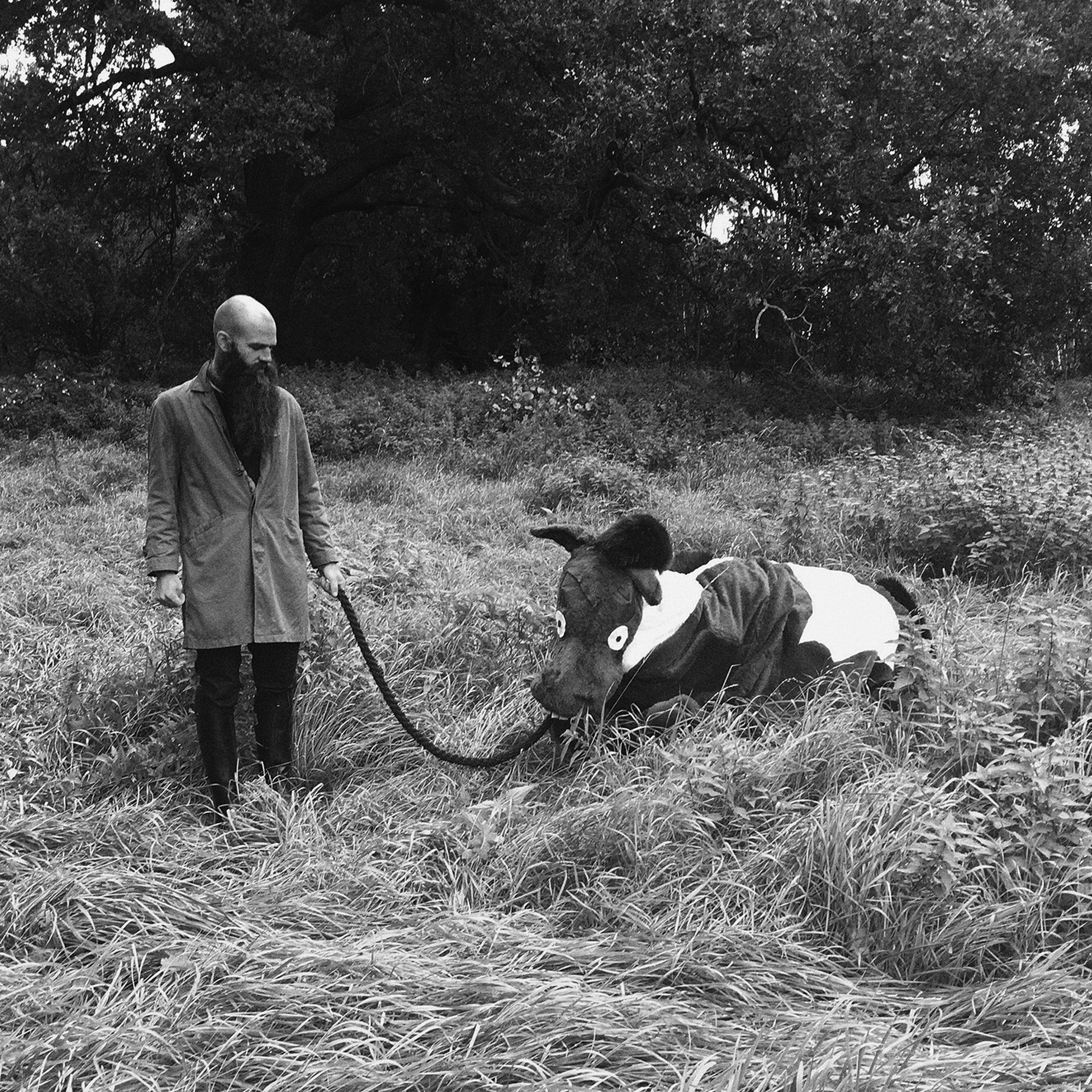
"Racehorse for Christmas #1", 2017
Courtesy the artist; alexander levy, Berlin; Sies + Höke, Düsseldorf; Esther Schipper, Berlin, Paris, Seoul © Julius von Bismarck; VG Bild-Kunst, Bonn 2026
A final question related to your famous ancestor: Have you ever imagined what kind of artist you might have been if you had been born in 1815 like Otto von Bismarck, with all the media innovations and tech opportunities stripped away from you.Oh, I would probably be the same artist! Don’t forget that the industrial revolution was in full force at the time. Photography was invented and so was printing. I see myself in a tradition of artists that always were in a very similar position. People who walk the tightrope between criticizing existing conditions and power structures while relying on support to be able to work as artists.I believe you can respect power and still use it for your art. You can criticize perceptions and structures and still be true to yourself. This balancing act used to be difficult, and it still is today. Nevertheless, it is inevitable.

Questions? Contact us.

BMW Foundation Team