Energy Transition & Climate Change
Four Key Takeaways from the Leaders Collaboration Forum 2026
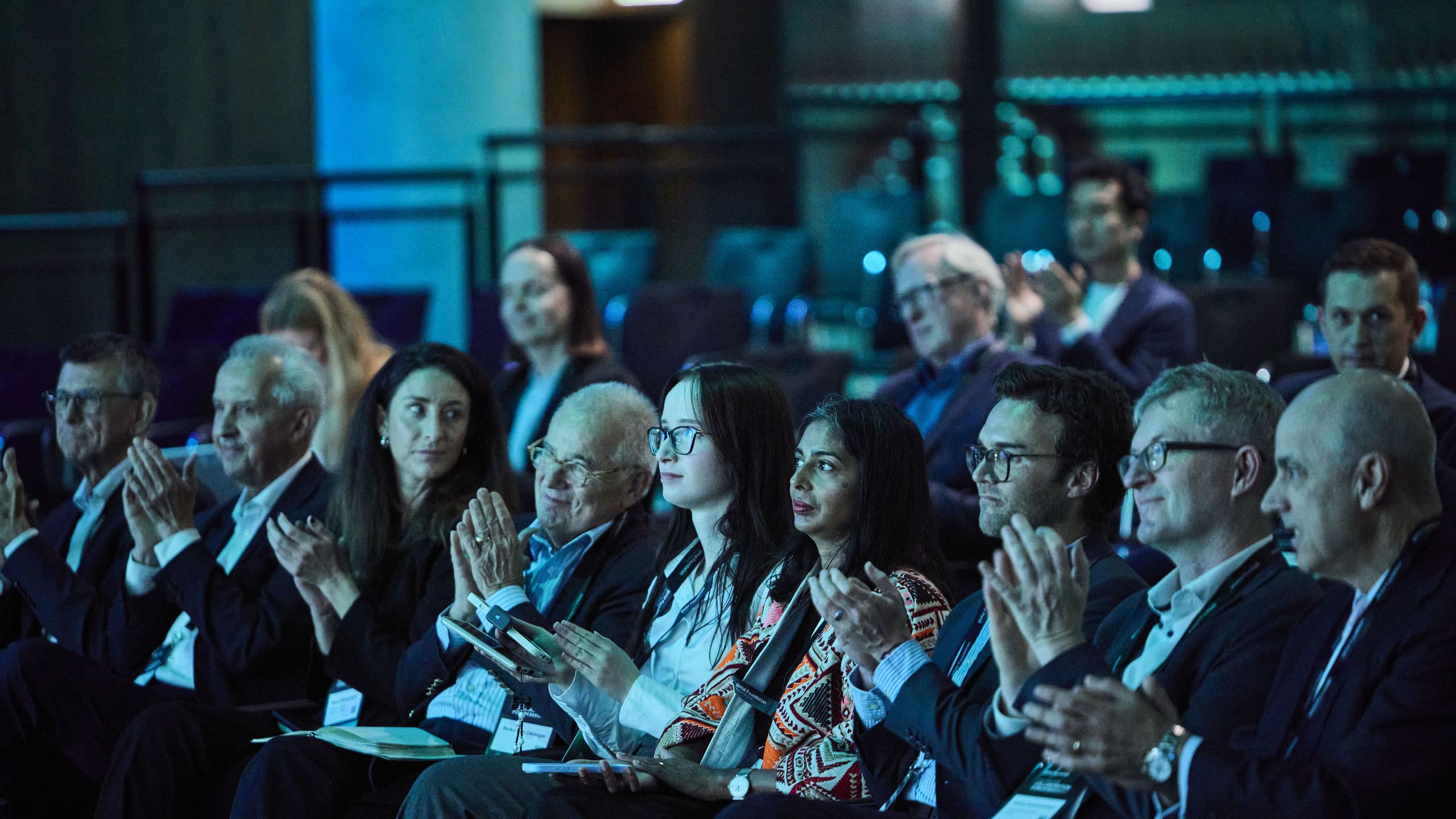
How can Europe turn its technological and economic strengths into solutions that benefit society? At the BMW Foundation's Leaders Collaboration Forum 2026 in Berlin, more than 300 leaders discussed how to strengthen Europe's competitiveness, accelerate innovation, and build public trust in times of change.
On October 15 and 16, the BMW Foundation Herbert Quandt brought together leaders from business, policy, science, and civil society at the EUREF Campus in Berlin. Under the motto “Upwards with Solutions. Onwards with Society.”, the Forum focused on two major challenges shaping Europe's future: energy security and artificial intelligence. Among the speakers were Philippe Aghion, winner of the 2025 Nobel Prize in Economic Sciences; Charles Michel, former President of the European Council; and Philipp Justus, Vice President Central Europe at Google. Across two days of discussions, speakers highlighted Europe's technological, industrial, and economic strengths while calling for reforms, investment, and stronger cooperation to put these resources to better use.
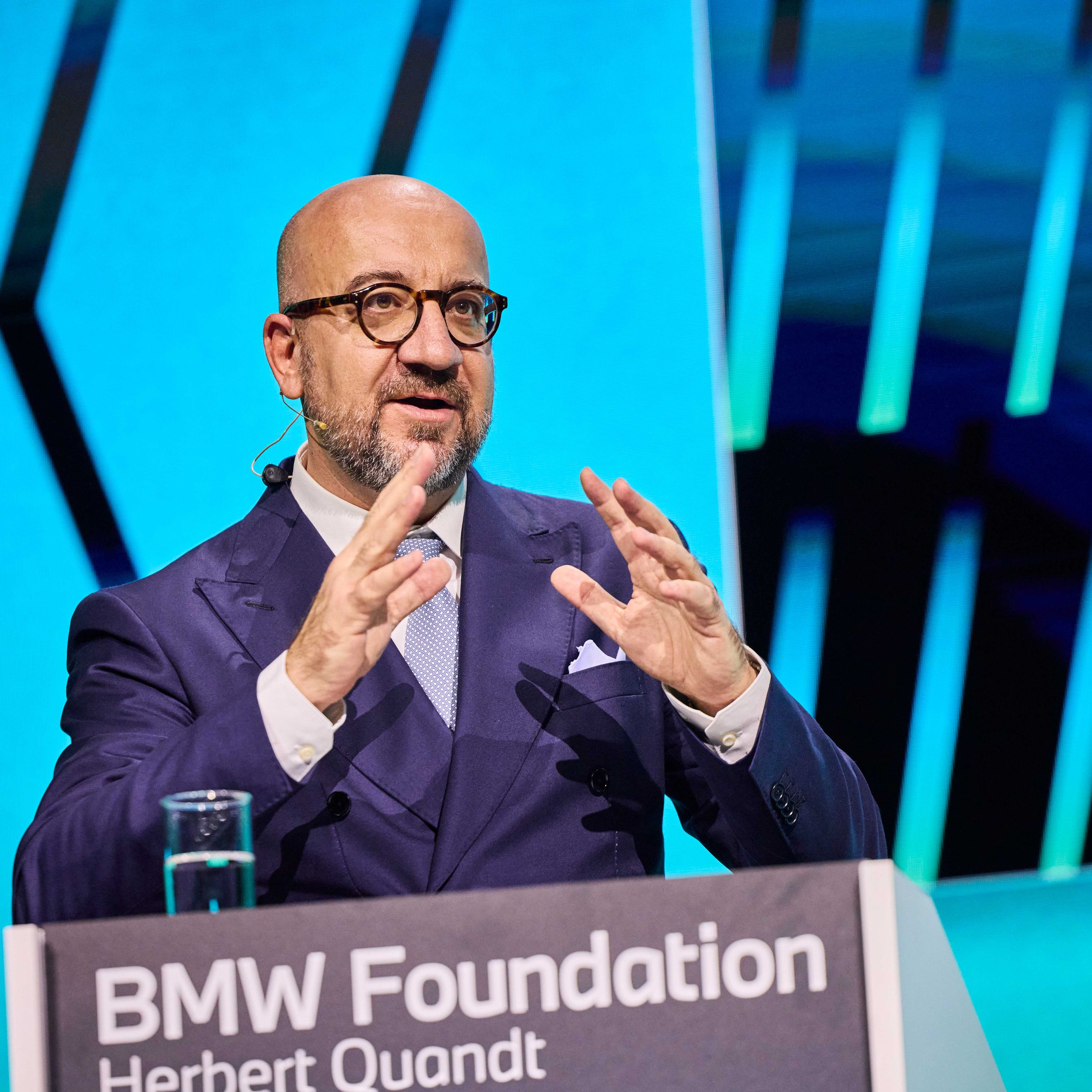
“The old EU is history. The new one still needs to be built. Let's do it together.”
Former President of the European Council
Europe Has the Strengths. What Needs to Change?
There was broad agreement that Europe needs to change. Charles Michel, who served as Prime Minister of Belgium before becoming President of the European Council, pointed out that many people no longer recognize the benefits of the EU. “The old EU is history. The new one still needs to be built. Let's do it together.”Lars-Hendrik Röller, President of ESMT Berlin and longtime economic adviser to Angela Merkel, called for reforms in response to declining trust in German and European institutions. His message was clear: “We need to deliver.” At the same time, many speakers emphasized Europe's considerable strengths and reasons for optimism.“We have the data, we have the brands, we have the savings, we have the energy. We have everything we need to succeed,” said Philippe Aghion. Aghion described Europe as “a regulatory giant but a budgetary dwarf” and called for greater public investment in innovation, a funding agency modeled on the US Defense Advanced Research Projects Agency (DARPA), and a culture that does not stigmatize failure.
Watch the recap of the Forum
1. From Solutions to Systems
The first day of the Forum focused on energy security and the question of how Europe can make better use of its existing technologies and capabilities. Klaus Müller, President of Germany's Federal Network Agency (Bundesnetzagentur), argued that the energy transition should be viewed as more than a climate protection issue. “We have the opportunity to produce energy here rather than somewhere else in the world, and to generate economic value here in Germany and Europe.”Kerstin Andreae, Managing Director of the German Association of Energy and Water Industries (BDEW), questioned the way Germany debates the costs of the energy transition, pointing to the enormous cost of importing fossil fuels. “Modern power grids are investments for 30, 40 years – we are building them for the next generations.” She described the energy transition as “a story of sovereignty, resilience, modernization.”A central insight was that renewable energy, modern power grids, and energy storage can only realize their full potential when they are connected into an integrated energy system. This requires modern infrastructure, investment, and an appropriate regulatory framework. The same principle applies to artificial intelligence, the focus of the Forum's second day. Developing new technologies is only one step. Organizations must also find ways to implement them and scale successful applications.Philipp Justus, Vice President Central Europe at Google, criticized what he called the “cycle of testing”: “If one test works in Europe, the next test follows and then another.” Companies in other parts of the world often scale faster, but Justus argued that Europe has the capacity to do the same.

Philipp Justus, Vice President Central Europe at Google.
Marc Beckmann

Panel on "Not in My Backyard: Can the Energy Transition Still Win Trust"
Marc Beckmann

Klaus Müller, President of Germany's Federal Network Agency (Bundesnetzagentur).
Marc Beckmann
2. Economic and Societal Progress Must Go Hand in Hand
The discussions also examined how technological and economic transformation affects people's lives. Innovation can strengthen competitiveness and create new opportunities, but public support depends on how change is experienced. Affordable energy, economic security, opportunities to participate, and a fair distribution of benefits all matter. Janina Mütze, Co-founder and CEO of Civey, highlighted the importance of civil society in building trust: “Civil society is your trust infrastructure. That is what we must nourish.”The role of human judgment was another theme, particularly in discussions about artificial intelligence. Kevin Bauer, Professor of Game-Theoretic and Causal AI in Business and Economics, observed: “In a world where execution becomes cheap, sound human judgment is more in demand than ever.” Together, these perspectives highlighted the importance of considering societal consequences alongside technological progress. Whether people support transformation depends in part on whether they see opportunities for themselves and believe that change will improve their future.
"In a world where execution becomes cheap, sound human judgment is more in demand than ever."
Kevin Bauer, Professor of Game-Theoretic and Causal AI in Business and Economics

3. Collaboration Drives Implementation
Turning promising innovations into practical solutions requires cooperation among those developing technologies, those able to implement them, and the people affected by change. As a network foundation, the BMW Foundation brings together leaders and experts from different sectors to connect perspectives, expertise, and resources. At the Forum, international startups from the BMW Foundation's RESPOND Accelerator showcased innovations addressing challenges in modern energy systems, critical raw material supply chains, sustainable buildings, resilient cities, and carbon capture.Heba Aguib, Member of the Board of the BMW Foundation Herbert Quandt, emphasized the importance of collaboration: “Innovations only realize their full potential when they are implemented and accepted by society. This is precisely where collaboration comes in. When start-ups, businesses, policymakers and civil society combine their perspectives and capabilities, promising solutions can lead to lasting change.” The discussions reinforced the importance of connecting different perspectives to identify gaps, challenge assumptions, and develop partnerships that help solutions move toward implementation and scale.
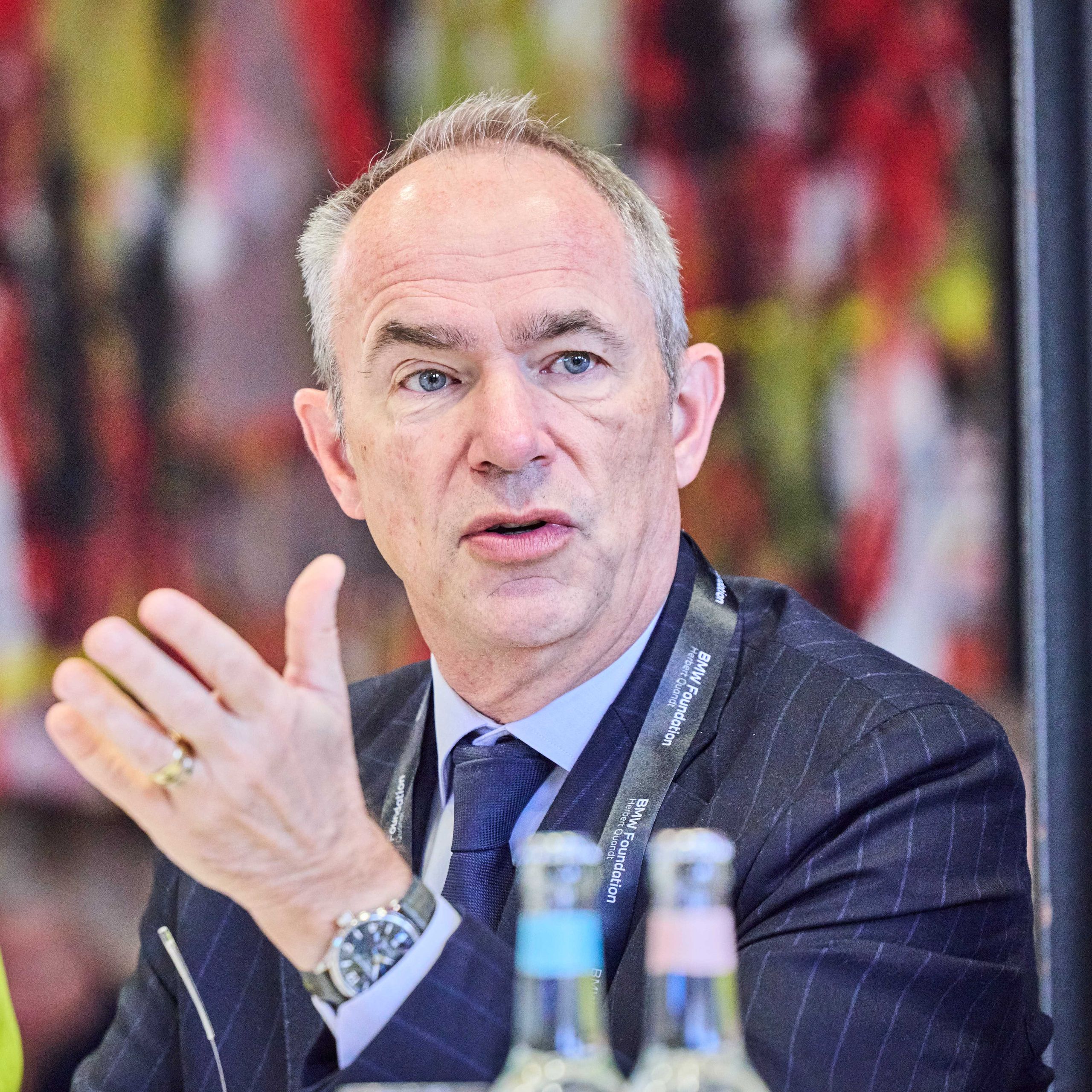
“We need more Europe, not less Europe.”
Director General and Head of EU Lending and Advisory Operations at the European Investment Bank (EIB)
4. Strong Partnerships Strengthen Europe's Capacity to Act
Europe's competitiveness and international role also depend on its ability to strengthen existing alliances and build new partnerships. “Strong and international partnerships strengthen Europe's capacity to act,” said Heike Schneeweis, Member of the Board of the BMW Foundation Herbert Quandt. She emphasized the importance of plurilateral cooperation and Europe's willingness to learn from international partners: “Europe brings technology, industrial capabilities and capital, but also has much to learn from others.”Jean-Christophe Laloux, Director General and Head of EU Lending and Advisory Operations at the European Investment Bank (EIB), called for greater European cooperation and investment: “We need more Europe, not less Europe.” Speakers emphasized that Europe should build on its existing strengths while remaining open to cooperation beyond its borders. Stronger partnerships, clearer priorities, and political courage were recurring themes in discussions about Europe's future.
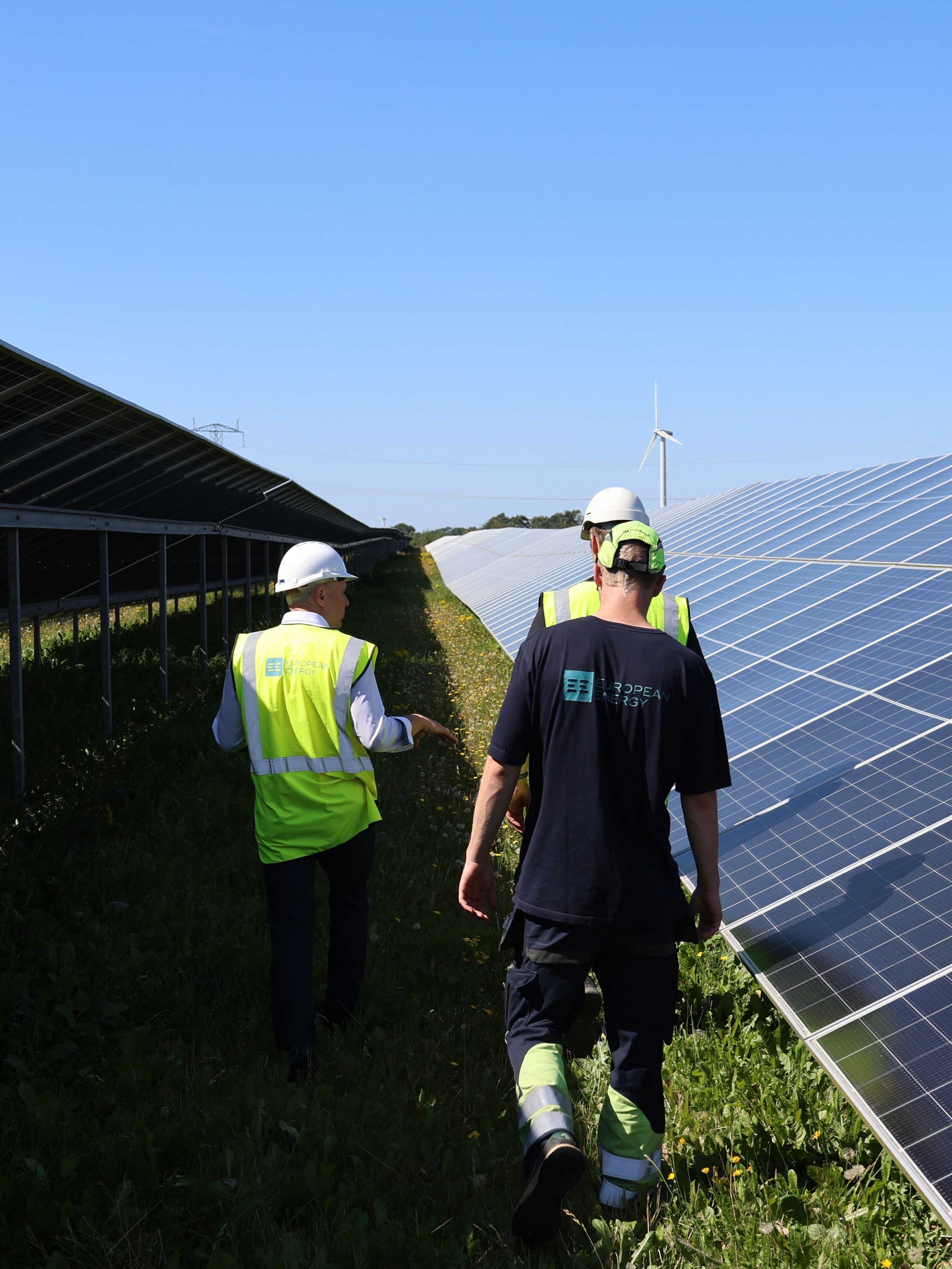
Looking Ahead: From Discussion to Implementation
The Leaders Collaboration Forum 2026 highlighted both the challenges facing Europe and the strengths it can build on. Across the four key takeaways, a common message emerged: Europe has the technologies, expertise, and resources to strengthen its competitiveness and resilience. Making the most of them will require better-connected solutions, public support for change, collaboration across sectors, and strong international partnerships.The challenge now is to put these insights into practice so that innovation translates into lasting economic and societal benefits.