Impact Investing & Finance
Closing the Gap Between Innovation and Deployment
Maja Heinrich
Europe has no shortage of promising technologies. But turning innovation into industrial reality remains a challenge. The BMW Foundation Herbert Quandt addresses this gap through its investments and programs, supporting entrepreneurs on the path to industrial scale. This article is part of the BMW Foundation's white paper, „Capabilities, Collaboration, and Capital: The Role of European Foundations in Advancing Innovation and Societal Benefit“.
Four key findings from the white paper
- Europe needs stronger connections between innovation and implementation.
Europe has world-class research, entrepreneurial talent, and capital, yet promising innovations often struggle to reach deployment and scale. Critical gaps emerge when the next partner, capability, or source of financing is missing. - Foundations contribute far more than funding.
The six case studies demonstrate how European foundations support innovation through research infrastructure, entrepreneurial programs, networks, expertise, and investment assets. Connecting these complementary strengths could increase their collective contribution to Europe's competitiveness and societal benefit.
- Mobilizing capital requires coordination across the innovation chain.
Foundations can help prepare innovations for investment, connect entrepreneurs with potential investors, and bring private, institutional, and public capital into the process at the right stage. Effective cooperation requires clear responsibilities and financing structures suited to specific needs. - Legal and institutional frameworks are critical to unlocking foundations' potential.
Different national regulations, restrictions on investment instruments, and cross-border requirements can limit how foundations deploy capital and cooperate. Greater legal clarity and more enabling frameworks could help foundations contribute more effectively to European innovation.
The BMW Foundation's new white paper examines how foundations contribute to innovation, where gaps remain, and how closer cooperation could help promising solutions advance. Kraftblock illustrates this challenge. The company develops thermal energy storage for industrial use and joined the first cohort of the BMW Foundation’s accelerator program RESPOND in 2020. It later became one of seven companies selected for the RESPOND Scaleup Pilot, in 2025, designed for ventures moving from technology development toward industrial deployment.That progression highlights a question at the heart of the BMW Foundation’s work: What does it take for a founder to reach the scale at which its potential can be realized? The foundation approaches that question in two distinct ways. As an asset owner, it invests part of its endowment in venture capital funds focused on innovation and impact. Through its programs, it works directly with entrepreneurs, helping them build the capabilities and relationships needed to put new technologies into practice.

Capital with a purpose
The BMW Foundation has treated its assets as part of its mission for more than a decade. Its wider portfolio follows environmental, social, and governance principles, while a portion of its endowment is invested in innovation through the Eberhard von Kuenheim Fund. Since 2018, the fund has focused on venture capital funds.The BMW Foundation invests through venture capital funds. Its approach reflects the risk constraints of its endowment. Its holdings include Ananda Ventures, Norrsken, Giant, and 2150, which invest in companies addressing environmental and societal challenges. More than 15 percent of the foundation’s endowment is currently allocated to impact investments, according to the public description of its portfolio. This approach allows the foundation to support new technologies and business models through its assets. But capital alone addresses only part of the journey.An investment in a venture capital fund does not directly help a founder secure an industrial customer, enter a new market, or build the partnerships required to deploy a technology. The foundation’s programmatic work addresses a different part of that challenge.

In 2020, the BMW Foundation launched the RESPOND Accelerator program, operated by UnternehmerTUM, which has since supported more than 50 founders developing solutions with environmental and societal potential. The program provides mentoring, connections, and visibility to early-stage ventures.
 "Susanne König (CEA and Co-founder) and Martin Schichtel (CEO and Co-founder) of Kraftblock, part of RESPOND cohort #1.")
Susanne König (CEA and Co-founder) and Martin Schichtel (CEO and Co-founder) of Kraftblock, part of RESPOND cohort #1.
Marc Beckmann

Moving waste heat over the Streets. In this Kraftblock project, a mobile storage unit was built to transport heat from a biomass CHP plant to various applications.
Kraftblock

At one of the first steel mills from Tata Steel Limited in Jamshedpur, India, Kraftblock deployed a waste heat project recovering heat from the sinter cooler of Sinter Plant 3.
Kraftblock
Where the accelerator ends
The problem changes when technology is ready to leave the startup environment. Hardware companies working in energy, industrial heat, fuels, or materials may need costly production facilities, lengthy sales processes, supply-chain partners, and industrial customers willing to adopt new technologies. At this stage, the challenge is no longer simply to prove that technology works.Founders have to demonstrate that it can work commercially and at scale. The RESPOND Scaleup Pilot was created to address this next stage. It extends the RESPOND approach beyond early-stage acceleration, focusing on founders navigating the distance between technology development and industrial deployment. The stakes extend beyond the fortunes of individual companies.Europe’s transition to a net-zero economy depends in part on its ability to turn cleantech innovation into industrial capacity. European ventures are competing in a global environment in which the United States and China are also investing heavily in clean technologies and manufacturing. At the same time, founders in Europe face fragmented regulation, cautious investment decisions, complex industrial partnerships, and disconnected ecosystems.
Europe’s transition to a net-zero economy depends in part on its ability to turn cleantech innovation into industrial capacity.

Tim Bölken, CEO of Ineratec.
Marc Beckmann

With the pioneer plant ERA ONE in Frankfurt, Ineratec is ramping up operation of the largest Power-to-Liquid plant to date for the production of synthetic, climate-friendly e-Fuels
Witja Frank
 "Airplane parked on a runway at an airport, receiving supplies. Burning just one kilogram of kerosene releases approximately 3.16 kilograms of CO₂.")
Airplane parked on a runway at an airport, receiving supplies. Burning just one kilogram of kerosene releases approximately 3.16 kilograms of CO₂.
Shutterstock
In October 2025, the BMW Foundation and the International Finance Corporation (IFC), part of the World Bank Group launched a six-month RESPOND Scaleup Pilot. Seven cleantech companies joined the first cohort: Kraftblock (thermal energy storage), Cylib (battery recycling), Ineratec (synthetic fuels and chemicals), Traceless Materials (alternatives to conventional plastics from agricultural residues), H2Pro, Meva Energy, and Prime Batteries. Their technologies differ, but they share a common challenge: moving from technical promise toward wider commercial deployment.The pilot was designed for founders of later-stage, capital-intensive ventures approaching full commercialization. It combined individual capacity building with introductions to industry, investors, and policymakers, as well as international visibility. Founders mostly need investors to further scale their initiatives; they need visibility and introductions to the industries that double as potential customers. The six-month program did not take equity, and the support for each company was shaped by its maturity, sector, and deployment goals.
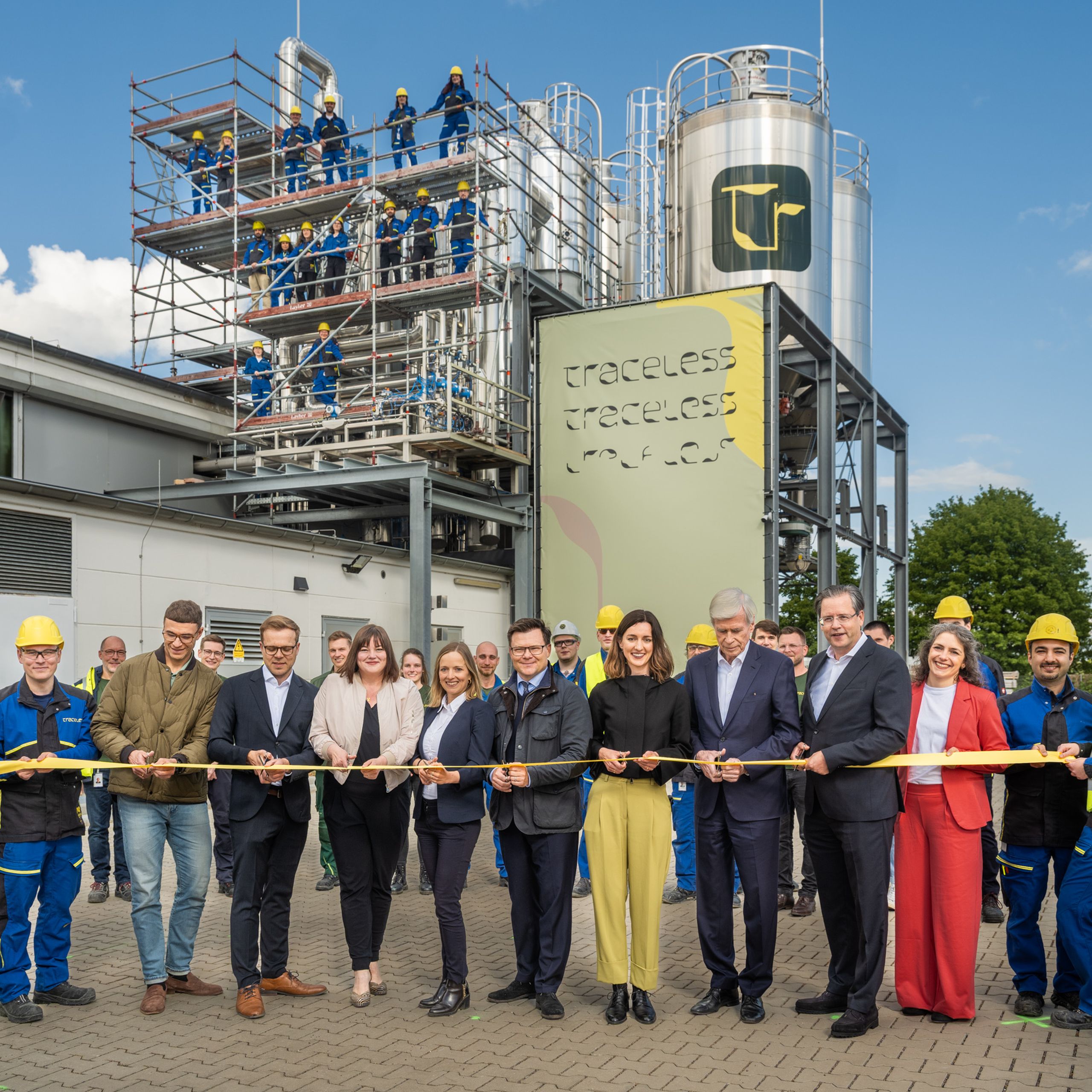
In May 2026, the bioeconomy scale-up Traceless opened its first large-scale production facility in Hamburg-Harburg. Traceless joined the BMW Foundation's RESPOND startup accelerator and it's scaleup pilot.
Jonas Walter
The premise was practical: industrial scale requires more than a financing round, and no single investor, company, or institution can provide all the relationships and capabilities a venture needs. The core ambition of the program was to support scaleups through capacity building, curated networks, and international visibility, enabling growth across Europe and in emerging markets.
The partnership with IFC expands the reach of that approach. It combines the BMW Foundation’s networks and experience working with entrepreneurs with IFC’s role as an international development institution active in emerging markets. The stated ambition is to help European cleantech ventures find routes to growth within Europe and deployment beyond it.
The partnership with IFC expands the reach of that approach. It combines the BMW Foundation’s networks and experience working with entrepreneurs with IFC’s role as an international development institution active in emerging markets. The stated ambition is to help European cleantech ventures find routes to growth within Europe and deployment beyond it.
From pilot to program
The RESPOND Scaleup Pilot also makes clear the distinction between the BMW Foundation’s two approaches to supporting innovation. Through the Eberhard von Kuenheim Fund, the foundation invests in venture capital funds as an asset owner. Through RESPOND Scaleup, it provides capacity building, connections, and other services. Both approaches seek to advance innovation, but they use different resources and operate through different mechanisms.
According to the joint evaluation from the foundation and the IFC, the RESPOND Scaleup Pilot reinforced one central finding: later-stage founders need support as they navigate the move toward industrial deployment. The pilot did not close Europe’s scaleup gap, nor did the evaluation establish that participating companies have already achieved commercial outcomes because of the program. It demonstrated demand for this kind of support and provided a first test of how a foundation can contribute.
According to the joint evaluation from the foundation and the IFC, the RESPOND Scaleup Pilot reinforced one central finding: later-stage founders need support as they navigate the move toward industrial deployment. The pilot did not close Europe’s scaleup gap, nor did the evaluation establish that participating companies have already achieved commercial outcomes because of the program. It demonstrated demand for this kind of support and provided a first test of how a foundation can contribute.
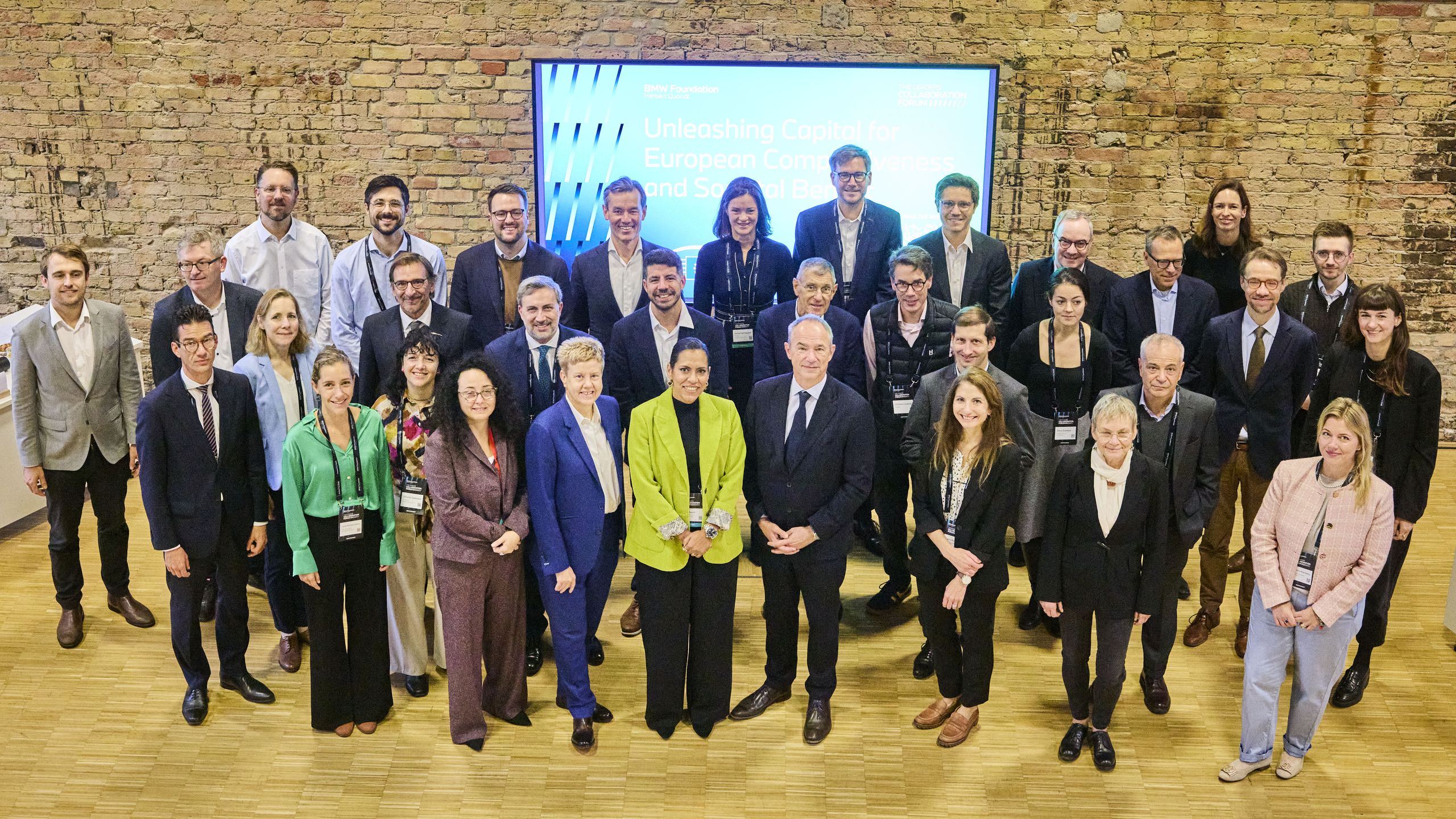
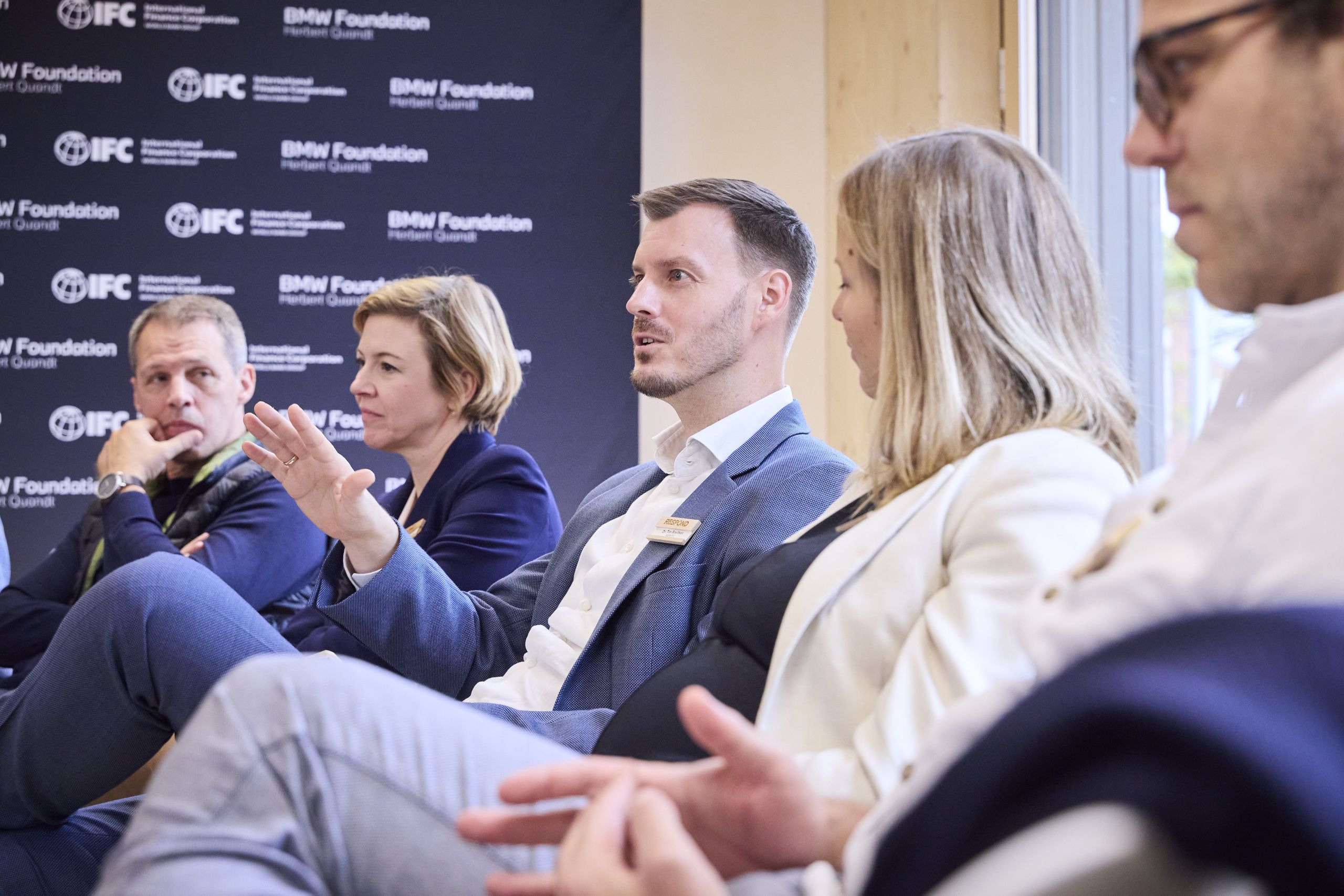
Participants at the roundtable "Unleashing Capital for European Competitiveness and Societal Benefit".
Marc Beckmann
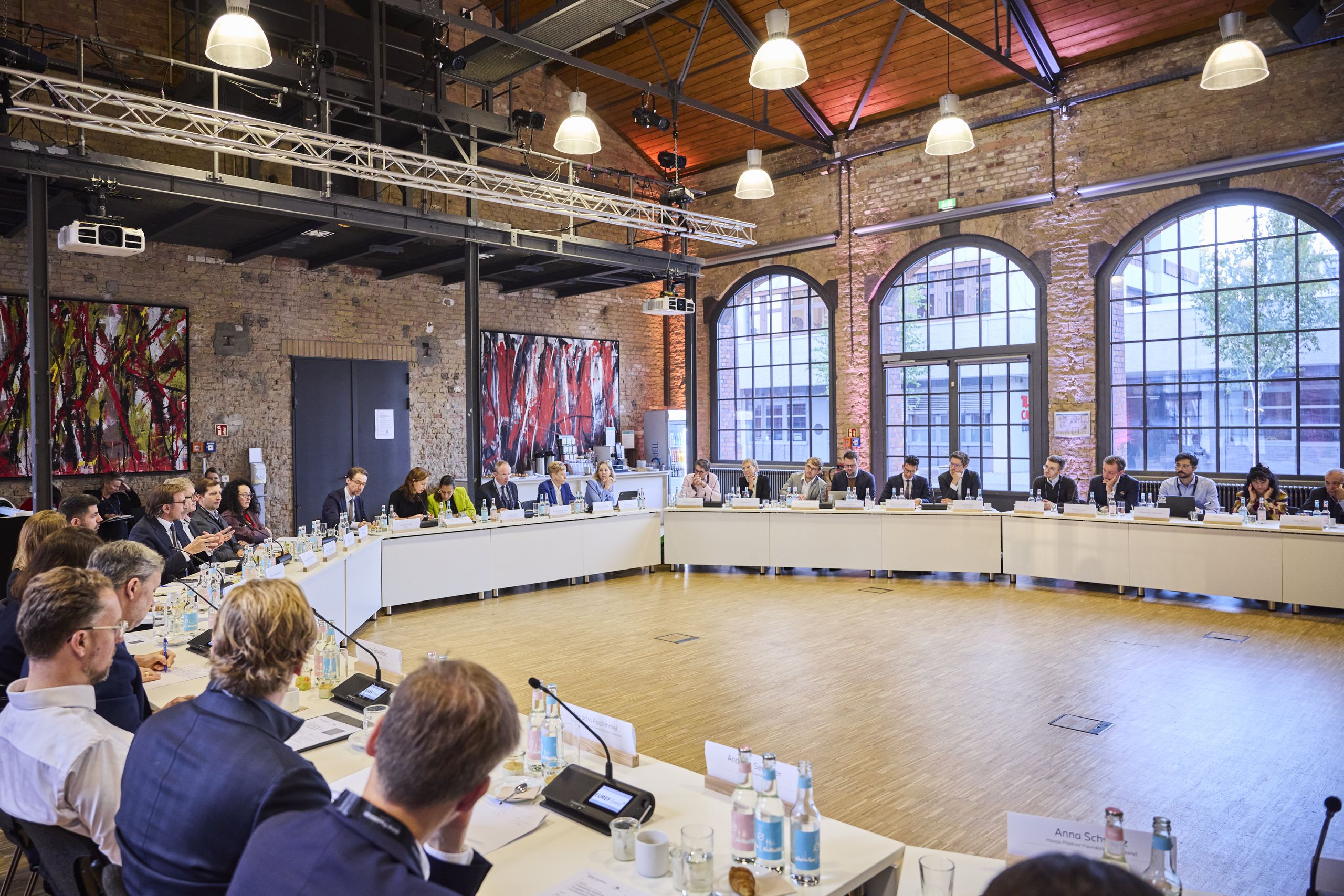
The session was part of the BMW Foundation's Leaders Collaboration Forum 2026 in Berlin.
Marc Beckmann
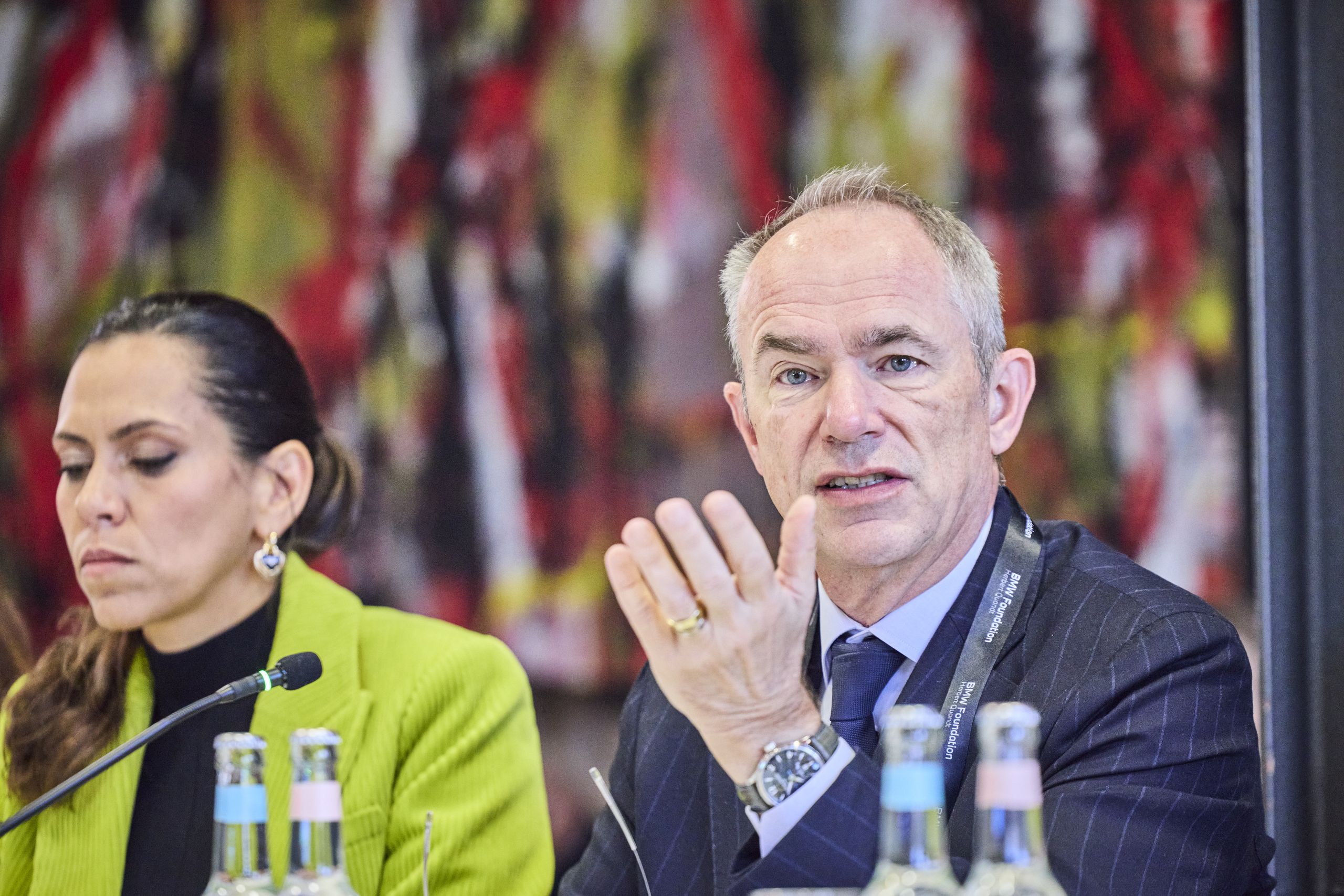
Heba Aguib, Member of the Board, BMW Foundation Herbert Quandt and Jean-Christophe Laloux, Director General – Head of EU Lending and Advisory Operations at the European Investment Bank (EIB).
Marc Beckmann
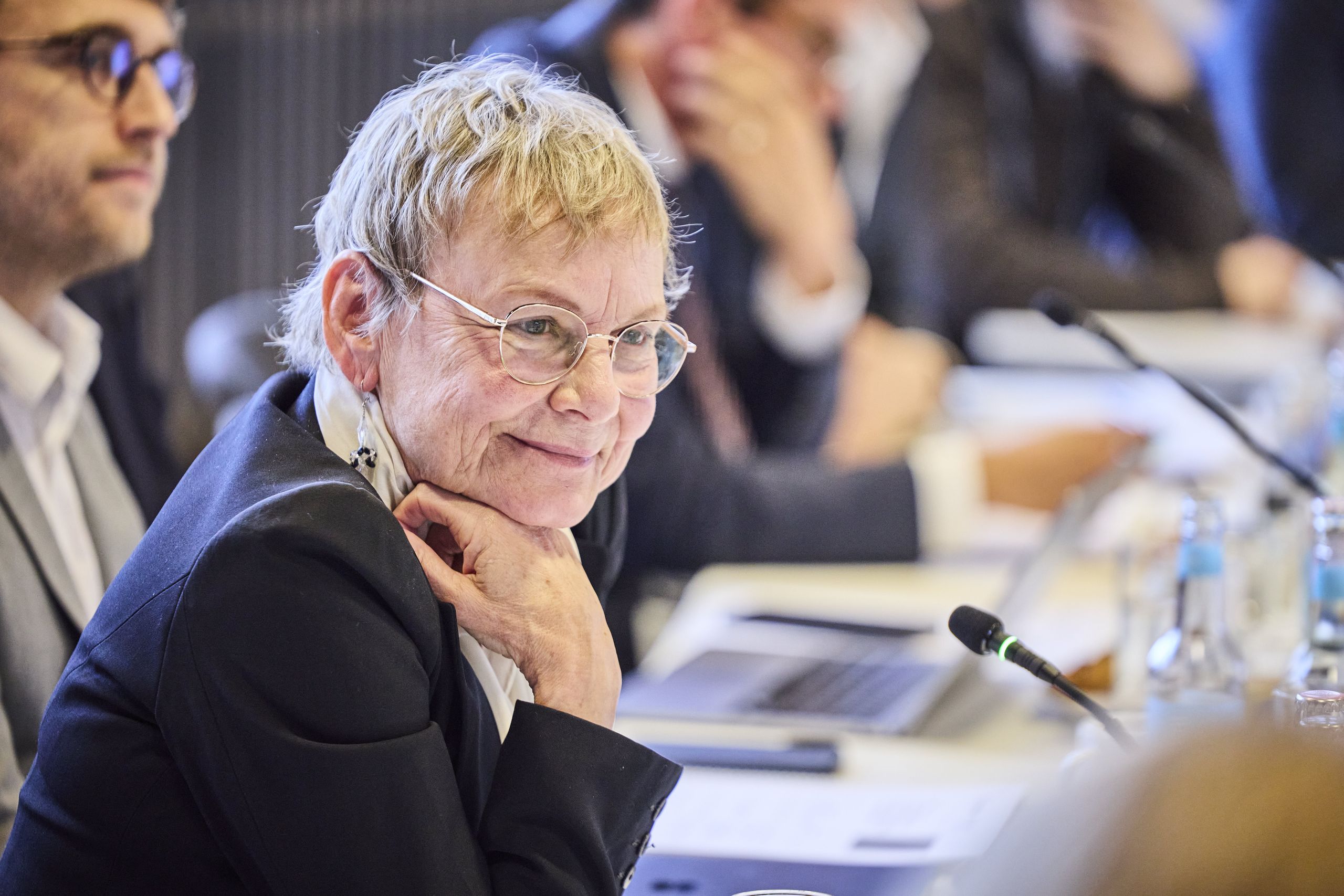
Sabine Kunst, Chair of the Board of the Hamburg-based Joachim Herz Stiftung.
Marc Beckmann
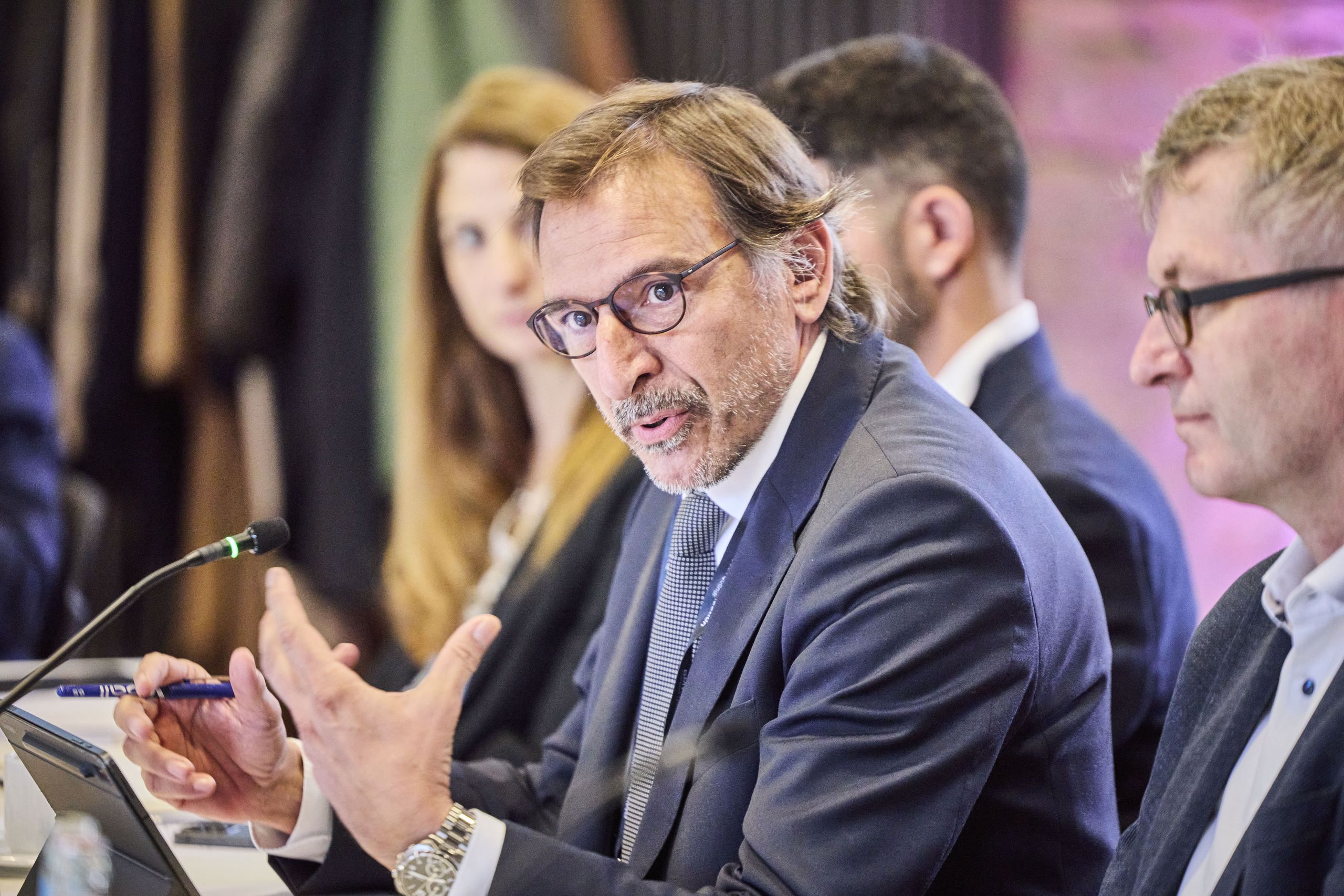
Ignasi López Verdeguer, Director of Science engagement and Strategy at Fundación ”la Caixa”.
Marc Beckmann
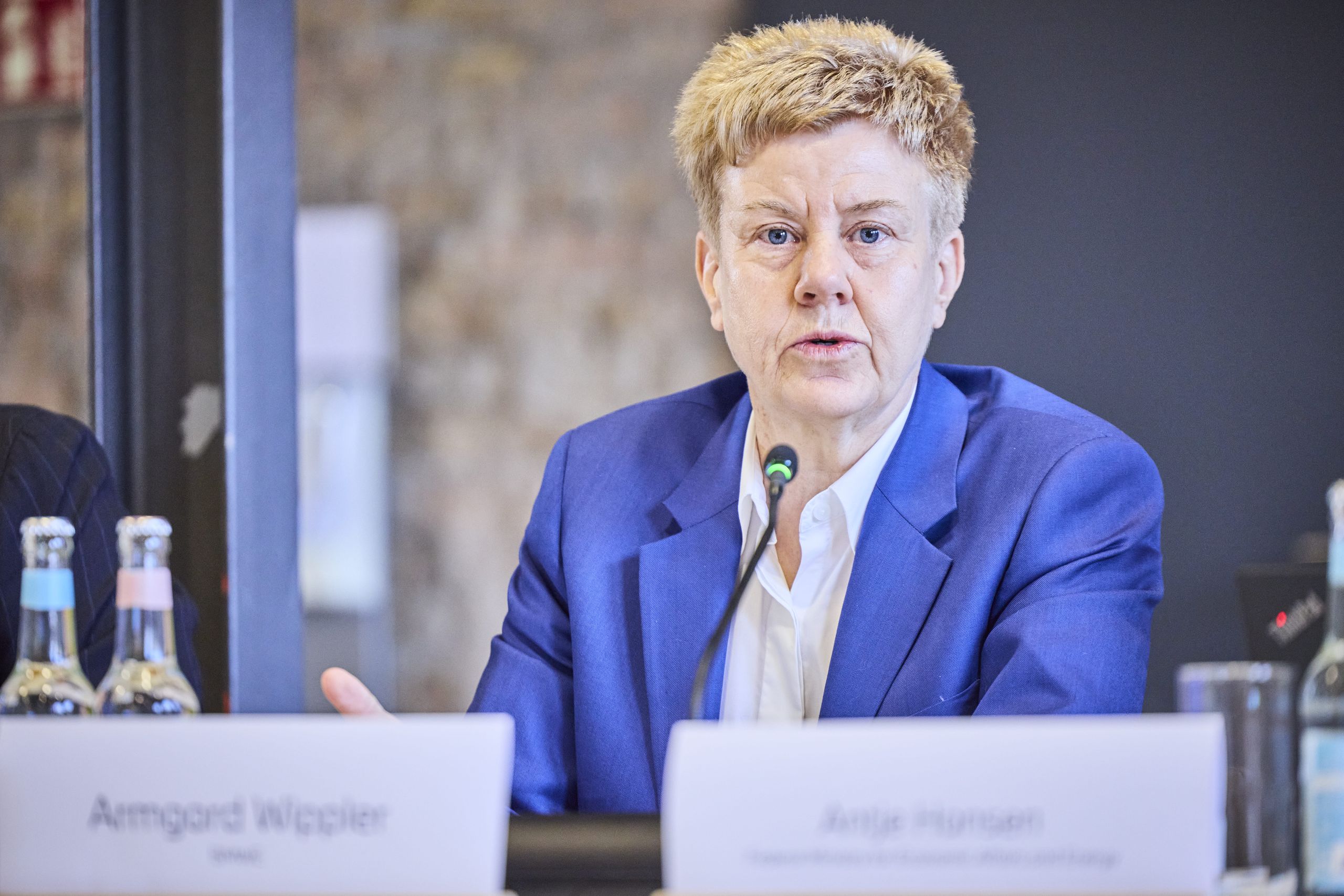
Armgard Maria Wippler, Deputy Head of the Department for SME Policy at the Federal Ministry for Economic Affairs and Energy.
Marc Beckmann
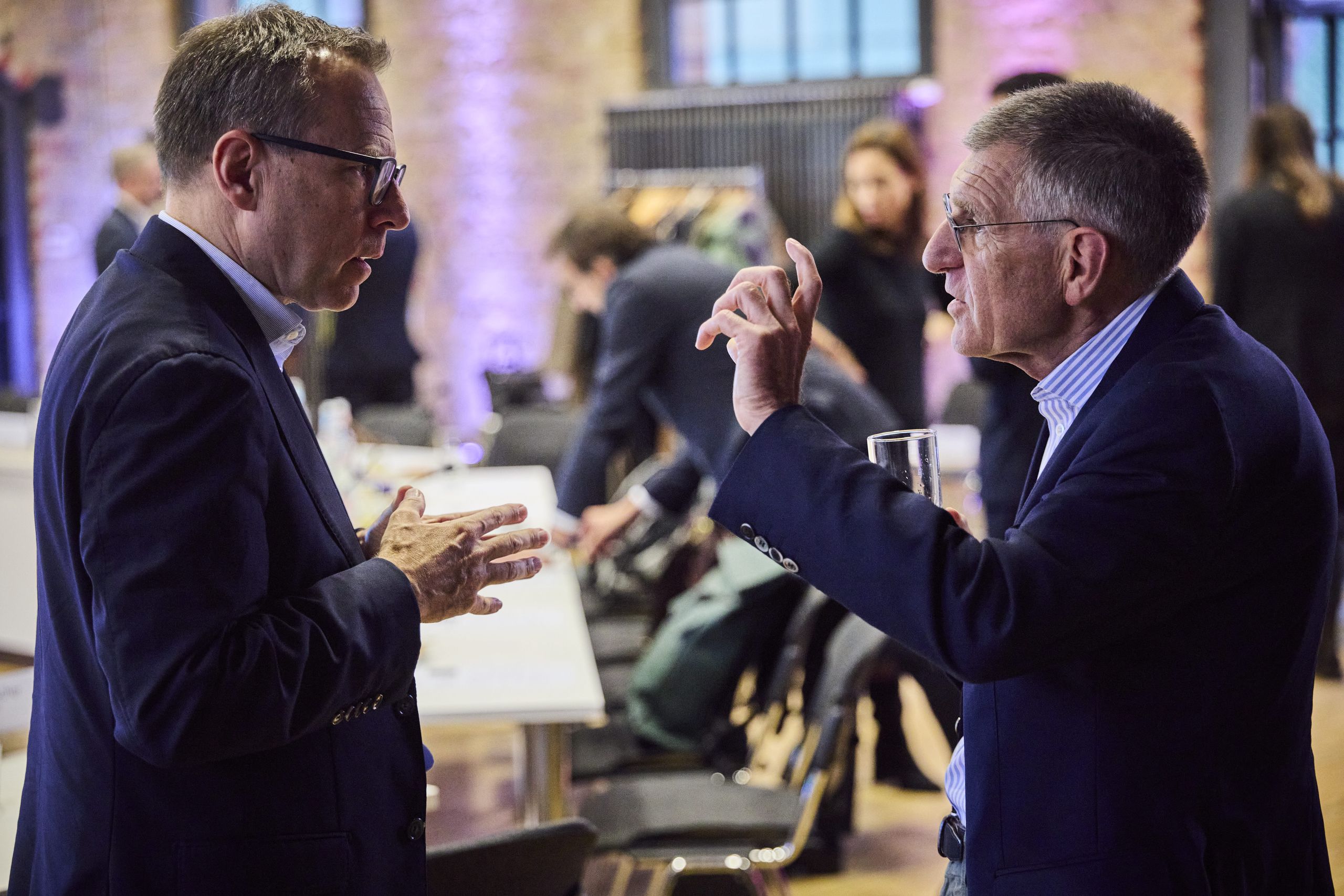
Participants engaged in vivid discussions.
Marc Beckmann
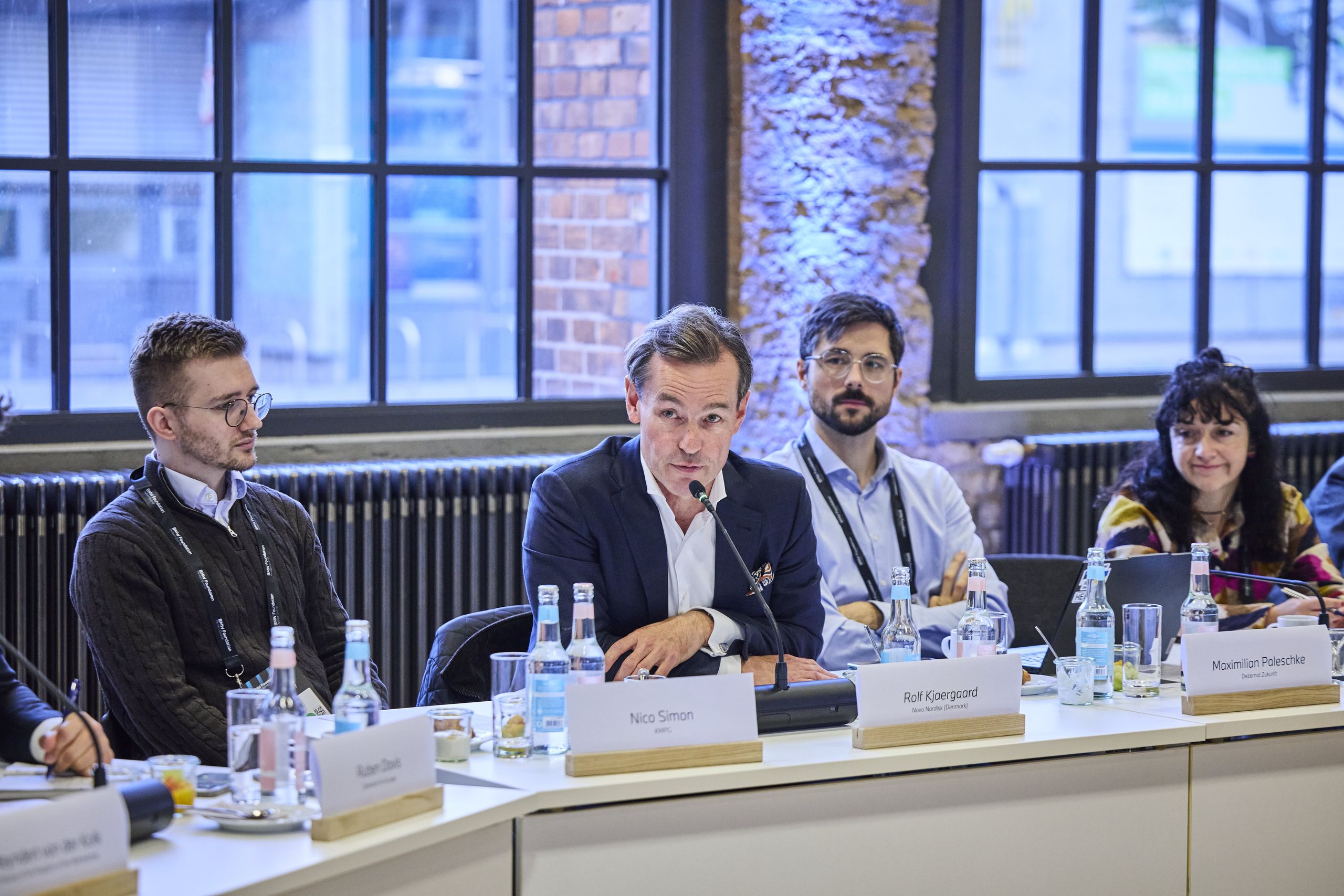
Rolf Kjærgaard, Special Advisor, Novo Nordisk Foundation.
Marc Beckmann
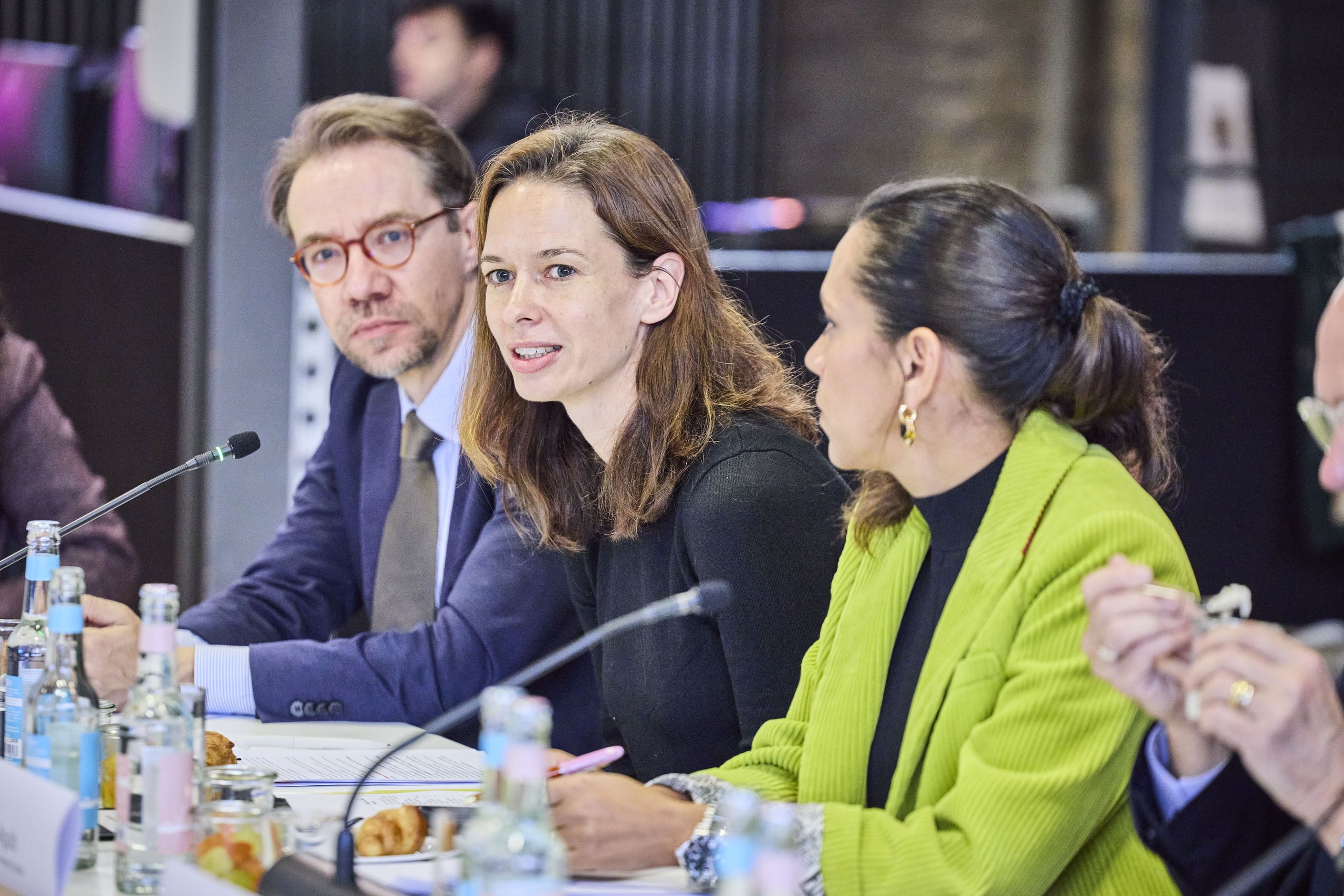
Anne Joachim, VP Central Functions & Investments, BMW Foundation Herbert Quandt.
Marc Beckmann
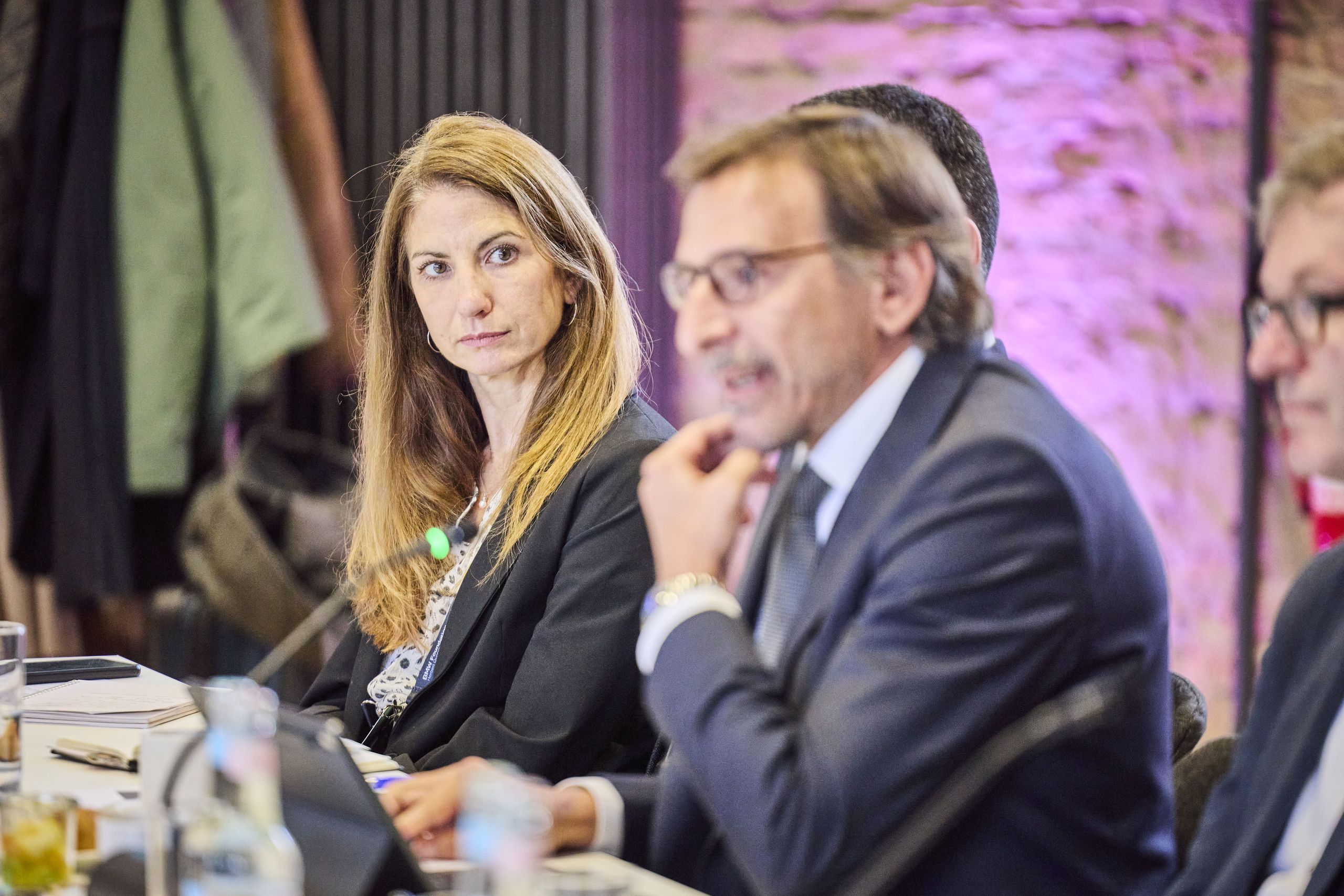
Kathy Nothstine, Director Future Cities at Nesta.
Marc Beckmann
Other partners have also recognized that need and expressed interest in working with the BMW Foundation in the next phase. They intend to develop the pilot into a regular program supporting European scaleups. Their involvement could expand the expertise, networks, and market connections available to participating founders. The precise shape of that collaboration, and its results, remain to be determined. The pilot has demonstrated demand for the support foundations can provide. Partners are interested in contributing but for none of them it is part of their core business or mandate. Now the next challenge is establishing a lasting framework that allows foundations to provide this support, alone or in collaboration with others.
Connect with us to explore collaboration opportunities!

Anne Joachim